

You spent a lot of money on nice bedding. The initial days were great. Soft, cold, and a little bit of a treat, like a hotel room you never had to leave. But after a few washes, things changed. The fibers don’t feel as silky anymore. The colors don’t seem as bright. The draping is wrong.
The truth is that most individuals don’t know how to take care of fine linens at home. It’s not your fault, though. When you make changes to your bedroom, no one gives you a manual. That’s where the harm starts: your gorgeous bedding gets the same treatment as your training shorts.
The good news is? It’s not hard to keep your luxury bedding looking and feeling its best. You just need to make a few wise choices. This tutorial shows you how to wash, dry, store, and refresh your bedding so that it stays as wonderful as the day you got it home.
Why You Should Pay Special Attention to Luxury Linen
Different fabrics are not the same. Tighter, finer fibers are used to make high-thread-count cotton, fine woven fabrics, and luxury linen. That’s what makes them silky, shiny, and able to breathe. But those same fine fibers are also more vulnerable to heat, strong chemicals, and being handled roughly.
A thick beach towel can handle practically anything you throw at it. A nice linen bedspread? It requires a little more respect, like a dress shirt.
Taking care of yourself the correct way isn’t about being precious. It’s about being clever. You can make your bedding last twice or even three times as long by making a few small modifications to how you wash, dry, and store it.
How to Wash, Dry, Store Your Luxury Linens
Here comes simple steps to make you aware of how to keep your luxury linen in place for the whole year.
Step One: Always Read the Label
This seems obvious, but a lot of people don’t do it. There is a care label on every piece of good bedding, and that label is not just a suggestion. It informs you of the exact temperature, wash cycle, and drying method that the maker says is best for that fabric.
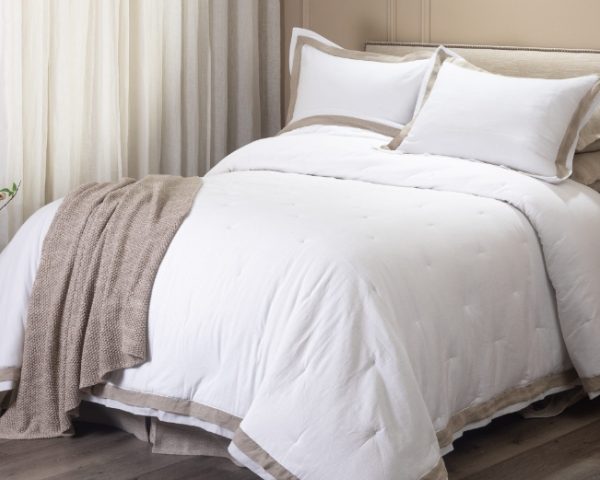
These directions are well thought out by high-end mattress companies. When Amity Home adds care instructions to a product like their Basey Bedspread in Natural, they suggest washing it in cold water on a gentle cycle, not using bleach, and drying it on low heat or, even better, lying it flat to dry. Those aren’t random picks. They are meant to keep the crinkle-weave texture and natural fiber finish safe, which is what gives that piece its feel.
So, first things first, look at the label. Then do it.
Step Two: Don’t wash too often, but do it smart.
Not washing your luxury bedding too much is one of the best things you can do for it. Washing things too often, especially at the wrong temperature, destroys down fibers faster than practically anything else. Most high-end linens, bedspreads, and duvet covers only need to be washed every two to three weeks if you use them normally.
Remember these rules while you wash:
a. Use cold water
Fine textiles sometimes shrink and lose color when they come into contact with hot water. Cold water cleans just as well and is much less harsh on the cloth. When washing a quilted bedspread or a set of shams, cold is nearly always the best choice.
b. Pick a gentle cycle
The heavy-duty cycle on your washer is for soiled towels and work clothes. The gentle or delicate cycle is best for luxury bedding. It has slower agitation, a shorter spin, and less stress on the weave.
c. Use a soft soap
Don’t use detergents that have brighteners, enzymes, or strong scents in them. Over time, these chemicals can break down natural fibers and create a residue that changes how the fabric feels. Look for a detergent that says it is safe for fragile fabrics or one that doesn’t have dyes or strong chemicals.
d. Don’t ever use bleach
Bleach is too strong for white or natural-colored linens. It breaks down the fibers on a structural level, which will make your bedding last much less long. Instead, seek for an oxygen-based fabric brightener if you need to make a white piece brighter.
e. Wash alone or with things that are similar
If you wash your bedspread alongside jeans, towels, or anything else with rough or zipper-like textures, it will quickly start to pill and snag. You can wash luxury items by themselves or with other soft, light things.
Step Three: Be careful when drying
A lot of high-end linen dies in the dryer, slowly, wash after wash, and one high-heat cycle at a time.
Fine clothes don’t like heat. It makes things smaller, weakens fibers, dulls colors, and can even ruin the structure of a quilted or woven object. This is how to dry your bedding so that it lasts.
a. The goal is to have low or no heat
Set the dryer to the lowest heat setting if you’re using it. A lot of new dryers include a “air fluff” or “no heat” cycle that tumbles the load without using any heat. This is perfect for most luxury items.
b. Take off right away
If you leave wet bedding in the dryer, it will get mildew and creases. Take it out as soon as the cycle is over and smooth it out by hand before laying it flat or hanging it up to complete drying.
c. It’s always better to line or flat dry.
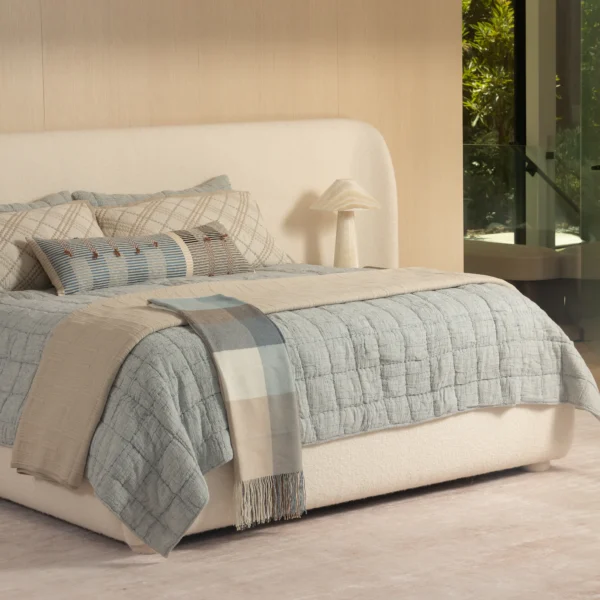
When the weather and space are right, the best way to dry luxury bedding is to lay it flat or hang it up to dry. It also helps keep the natural shape and drape of pieces with complex weaves or embroideries. This method works really well for things like the Davina & Hopkins Collection or layered quilted bedspreads. Air drying preserves the exquisite layering and botanical quilted design intact over time.
d. Don’t stay in direct sunlight for long periods of time.
A little sun is good and might even make clothes smell better organically. But putting bedding in strong, harsh sunshine for hours will degrade colors, especially darker ones like copper, steel blue, or sage.
Step 4: Clean up stains quickly and carefully
Things happen in life. A pet jumps on the bed, coffee spills, or someone falls asleep with lotion on their hands. If you own bedding, you will get stains on it. They don’t have to be a disaster if you act quickly and remove them in the appropriate manner.
The first rule is easy: do something right now. The longer a stain stays, the more it sinks into the fibers. As soon as something spills, use a clean, white towel to gently blot it up. Don’t rub; rubbing pushes the stain deeper into the fabric. Just dab the perimeter of the stain and work your way in.
Most of the time, a little bit of mild liquid dish soap mixed with cold water works effectively to get rid of stains. Use a soft cloth to gently rub it into the stain, then let it lie for a few minutes before blotting it away. Use cold water to rinse and let the area air dry before deciding if extra treatment is needed.
If you have oil-based stains, you can sprinkle a little baking soda on the location before treating it to help soak up the grease before you use any liquid.
Never use hot water on a new stain since it can set it. Also, don’t use bleach or powerful stain removers on delicate textiles, and don’t scrub too hard. Force will never work better than patience and light pressure.
Step Five: Put the bedding away the right way
How you store the bedding you aren’t using is quite important if you change it out every season. Bad storage can cause yellowing, musty aromas, and even damage to the fabric from dampness or bugs.
This is how to do it right.
a. Always keep your mattress clean
Before putting away bedding that has been used, always wash it first. Over time, body oils, sweat, and skin cells will get into the fabric and draw in dust mites. Every time, start over.
b. Use pillows or storage bags that let air flow through them.
Plastic bags hold in moisture, which can lead to mildew. Air may move via breathable fabric bags or even a big, clean pillowcase, which keeps dust out.
c. Don’t compress, fold
When bedding is tightly packed, it loses its shape and loft. If you can, fold the pieces loosely and store them flat. Rolling blankets and bedspreads instead of folding them can help get rid of crease lines.
d. Keep in a dry, cool area
Closets that are close to outside walls might get hot and cold and humid. The best place for a linen closet is within your home, away from heat vents and outside walls.
g. Put in a natural air freshener
A sachet of dried lavender or cedar blocks beside your stored bedding will keep the place smelling fresh and may even keep moths away without using any chemicals on your linens.
Step 6: Refresh between washes
One step in taking care of premium linens that people don’t talk about enough is renewing your bedding between washes. You don’t have to launder your bed every time you want it to seem clean and inviting.
It really helps to air out your bedding often. Every morning, pull back the sheets and let the bed breathe for 15 to 20 minutes before making it. This lets the moisture from sleep evaporate instead of lingering in the layers.
A mild fabric refresher spray can also work magic. Amity Home even has a 500ml spray called Fabric Refresher in Chic Bloom Village that is made just for this purpose. It is great for ornamental throws and pillow shams. A small spritz and a gentle shake or smooth-down by hand can keep your bedding smelling fresh and feeling clean between complete wash cycles.
Shaking out comforters and bedspreads outside—just a few good shakes—also helps redistribute the fill, get rid of loose dust, and make them fluffy again.
A Note About Steaming and Ironing
Most high-end linen and woven bedding doesn’t need to be pressed, and in many circumstances, it shouldn’t be ironed. Ironing at a high temperature can hurt delicate weaves, melt synthetic threads, and flatten texture that gives the fabric its character.
A handheld garment steamer set to low or medium is the least harsh way to get rid of creases in your luxury bedding. Don’t press down on the fabric; just hold the steamer a few inches away and let the steam do the work.
Wrinkles are typically part of the look of naturally textured materials, like the Basey Bedspread, which feels like crinkled linen. Most of the time, all you need to do is softly steam the cloth and then smooth it out with your hands while it’s still warm.
Always use the lowest setting that works for the type of fabric when you iron a flat sheet or duvet cover. When you can, iron on the back side of the fabric, and use a pressing cloth between the iron and the fabric for extra protection.
The Bigger Picture: Make a one-time investment and always care.
Buying luxury bedding isn’t simply a one-time thing; it’s a long-term commitment. It gives you something back when you take care of it. Washing the fabric gently over time makes it softer. The hues stay deep. The weave stays attractive and well-structured.
Even the most costly item will wear out quickly and lose its feel if you don’t take care of it. It will wind up in the donation pile before its time.
The instructions in this guide are not hard to follow. They don’t take any extra time. All you need to do is pay attention: read the label, choose cold water, reach for the gentle detergent, and let things air dry when you can.
Why you should care about Amity Home Bedding
Not every high-end bedding needs as much care. But when you deal with a firm that has been making things with true intention for more than 20 years—using delicate weaves, intelligent textures, and designs that shift between classic and timeless—the extra care is well worth it.
One of the best luxury bedding lines on the market today is Amity Home. From the warm, textured Basey Bedspread in its natural linen-look finish to the layered botanical beauty of the Davina & Hopkins Collection to their full line of quilts, duvet covers, coverlets, and decorative pillows, every piece is designed to be lived with and enjoyed for years.
Their collections are more than just pretty. They’re made with the kind of skill that works nicely with the right care. You bought it for a soft, wonderful sleep experience, and if you wash them correctly, dry them softly, and keep them carefully, you’ll get it every season and every year.
Amity Home is the place to start and the standard to stick onto if you want to improve your bedroom or just take better care of your current bedding. Visit amityhome.com to see their full assortment of bedding and choose items that are worth protecting.