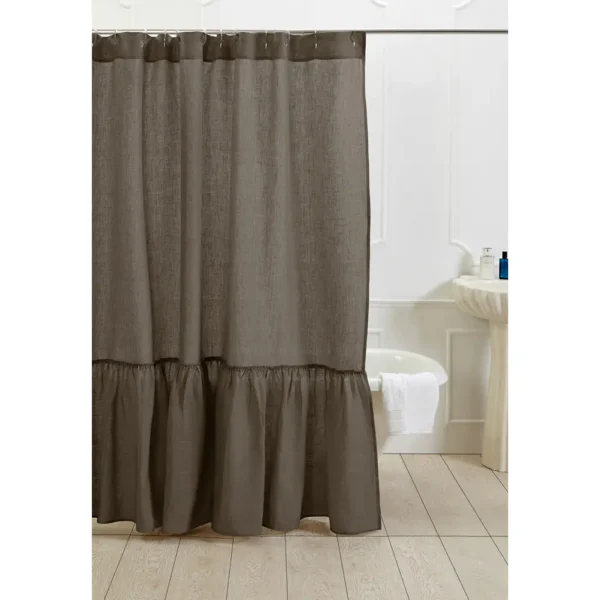


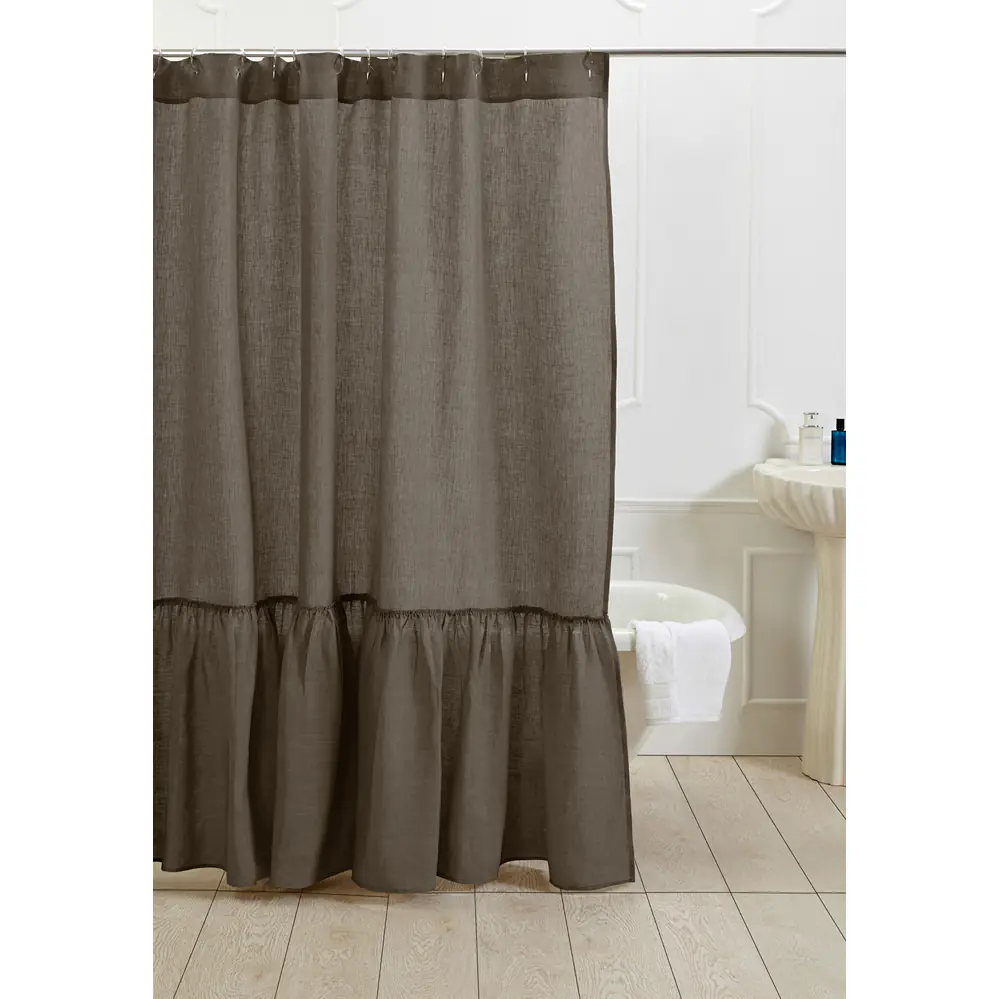
Your shower curtain has more drama than a reality TV show: mysterious pink stains, soap scum buildup, and that funky smell. You ignore it every morning, pretending that crusty bottom hem and those dark spots aren’t slowly taking over your bathroom sanctuary. But here’s the truth: that grimy curtain is easier to clean than you think, and you don’t need harsh chemicals either. Whether you have a fabric liner from your favorite home store or a basic vinyl one, a proper deep clean takes minutes.
We’ll show you exactly how to banish mildew, remove soap scum, and make your shower curtain look brand new again today. With the right techniques, you can have a sparkling clean curtain in under 30 minutes. Whether you have a fabric shower curtain, a plastic liner, or one of Amity Home’s luxury shower curtains, this guide will show you exactly how to clean it quickly and effectively.
Why Shower Curtain Cleaning is Important
Ignoring your shower curtain invites mold, mildew, and bacteria that thrive in damp bathroom environments, potentially triggering allergies and respiratory issues. Regular cleaning extends the curtain’s lifespan, saving you money on replacements. A fresh, clean curtain also elevates your bathroom’s appearance, transforming a neglected eyesore into a crisp, welcoming detail that guests actually notice.
Simple Ways to Clean Shower Curtains at Home
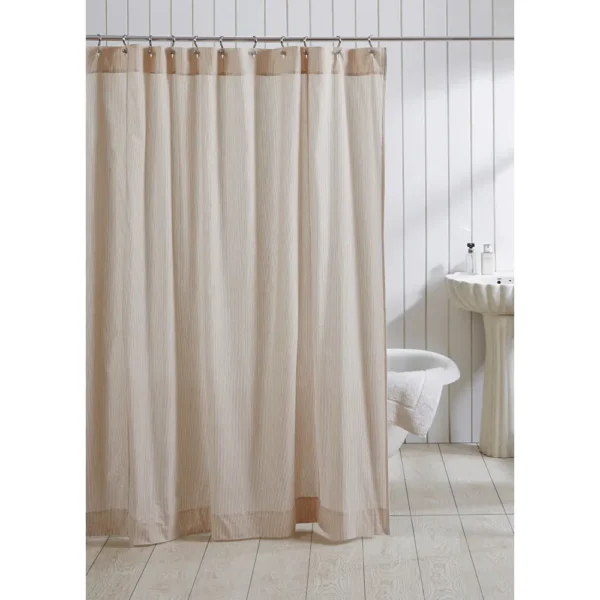
Cotton Shower Curtain, Taupe
For most shower curtains, your washing machine is your best friend. This method works beautifully for fabric curtains and many plastic or vinyl liners.
What You’ll Need:
- Mild laundry detergent
- 1/2 cup baking soda
- 1/2 cup white vinegar
- 2-3 bath towels
Step-by-Step Process:
1. Remove the curtain from the hooks. Take down your shower curtain and liner (if you have both). Check the care label first—most fabric curtains are machine washable, but it’s always wise to verify.
2. Load the washing machine. Place the curtain in your washer along with 2-3 bath towels. The towels serve two purposes: they provide gentle scrubbing action and prevent the curtain from wrinkling or tearing during the wash cycle. In this way, you keep your best shower curtains in place.
3. Add cleaning agents. Use your regular laundry detergent, but add 1/2 cup of baking soda to the detergent dispenser. Baking soda is a natural deodorizer and helps lift stains without harsh chemicals.
4. Start the wash cycle. Use warm water (not hot, which can damage plastic liners) and run a gentle or delicate cycle. When the rinse cycle begins, add 1/2 cup of white vinegar to help remove soap residue and kill any remaining mildew.
5. Skip the dryer. Never put your shower curtain in the dryer—the heat can cause plastic to melt or fabric to shrink. Instead, hang it back up on the shower rod while it’s still damp. The weight of the water will help smooth out wrinkles, and it will air-dry naturally.
This method works exceptionally well for high-quality fabric shower curtains like those from Amity Home, which are designed to withstand regular washing while maintaining their beauty and texture.
How to Hand Wash Shower Curtains in 10-15 Minutes
If you have a particularly delicate shower curtain or prefer not to use your washing machine, hand washing is a quick and effective alternative.
What You’ll Need:
- Bathtub or large basin
- Warm water
- Mild dish soap or laundry detergent
- Soft-bristled brush or sponge
- White vinegar (optional)
The Shower Curtain Cleaning Process:
Fill your bathtub with warm water and add a few squirts of mild dish soap or a capful of laundry detergent. Submerge the curtain completely and let it soak for 5-10 minutes. This soaking time allows the cleaning solution to penetrate and loosen dirt, soap scum, and mildew.
After soaking, use a soft-bristled brush or sponge to gently scrub any problem areas, paying special attention to the bottom hem where mildew tends to accumulate. For stubborn spots, make a paste of baking soda and water and apply it directly to the stain before scrubbing.
Drain the soapy water and rinse the curtain thoroughly with clean water. If you notice any soap residue, add a cup of white vinegar to a final rinse to help remove it. Hang the curtain back on the rod to air-dry.
How to do Spot Cleaning for Quick Touch-Ups (5 Minutes)
Sometimes you don’t need a full wash—just a quick refresh of problem areas. This method is perfect for busy households or when you notice a few spots developing.
Create a cleaning solution by mixing equal parts white vinegar and water in a spray bottle. Spray the affected areas generously and let the solution sit for 2-3 minutes. The acidity of the vinegar breaks down soap scum and kills mold spores naturally.
Wipe the area with a damp microfiber cloth or sponge, then rinse with clean water. For tougher stains, sprinkle baking soda on the damp cloth before scrubbing. This creates a gentle abrasive action that lifts stains without damaging the fabric.
1. Tackling Stubborn Mold and Mildew
If your shower curtain has developed significant mold or mildew stains, you’ll need a more aggressive approach. Here are three effective methods:
2. Bleach Solution (for white or colorfast curtains):
Mix 1/4 cup of bleach with 1 gallon of water. Using gloves, apply the solution to moldy areas with a sponge or spray bottle. Let it sit for 5-10 minutes, then rinse thoroughly. Never use bleach on colored curtains unless you’ve tested it on an inconspicuous area first, as it can cause fading.
3. Hydrogen Peroxide Method (gentler alternative):
Spray 3% hydrogen peroxide directly onto mold and mildew stains. Let it sit for 10 minutes, then scrub with a soft brush and rinse. Hydrogen peroxide is effective against mold while being gentler on fabrics and colors than bleach.
4. Tea Tree Oil Solution (natural option):
Mix 1 teaspoon of tea tree oil with 1 cup of water in a spray bottle. Spray the affected areas and let it sit—no need to rinse. Tea tree oil is a natural antifungal that continues working even after application.
How to Keep Shower Curtains Clean for a Longer Span
The best way to deal with a dirty shower curtain is to prevent it from getting dirty in the first place. Here are some simple habits that will extend the time between deep cleans:
a. Spread the curtain after each shower. Don’t leave it bunched up—spread it out fully so air can circulate and water can evaporate. This simple step dramatically reduces mold and mildew growth.
b. Run the bathroom fan. Use your exhaust fan during and after showers to reduce humidity levels. If you don’t have a fan, crack a window to improve ventilation.
c. Spray with vinegar weekly. Keep a spray bottle of diluted vinegar (1:1 ratio with water) in your bathroom and give the curtain a quick spray once a week. This prevents buildup before it starts.
d. Invest in quality materials. Higher-quality shower curtains, like the textured and beautifully designed options from Amity Home’s shower curtain collection, are often treated to resist mildew and are made from materials that dry more quickly than cheaper alternatives.
e. Use a liner. If you have a decorative fabric shower curtain, always use it with a separate plastic or vinyl liner. The liner takes the brunt of the water exposure, protecting your decorative curtain and making cleaning easier.
When Should You Clean Your Shower Curtain?
The frequency of cleaning depends on several factors: how often the shower is used, your bathroom’s ventilation, and whether you’re using a liner.
As a general rule:
- Plastic liners: Clean monthly or replace every 3-6 months
- Fabric curtains with liners: Clean every 2-3 months
- Fabric curtains without liners: Clean monthly
- Spot clean: Weekly or as needed
If you notice visible mold, mildew, or soap scum buildup before these intervals, clean the curtain immediately. Don’t wait for your scheduled cleaning day—addressing problems early prevents them from becoming harder to remove.
What are the Ways to Clean Shower Curtains
When it’s time to replace your shower curtain, consider choosing one that’s designed for easy maintenance. Look for these features when choosing the shower curtains:
a. Machine-washable fabrics: Cotton, polyester, and cotton-polyester blends are typically machine washable and hold up well to repeated cleaning.
b. Mildew-resistant treatments: Many quality curtains come pre-treated with antimicrobial or mildew-resistant finishes that help them stay cleaner longer.
c. Quick-drying materials: Fabrics that dry quickly are less prone to mold and mildew growth. Lightweight cotton and certain synthetic blends excel in this area.
d. Quality construction: Well-made curtains with reinforced grommets and sturdy stitching will withstand regular washing better than cheaper alternatives.
Amity Home specializes in creating shower curtains that combine beauty with practicality. Their shower curtain collection features designs that are both elegant and easy to maintain, making them perfect for busy households that want style without sacrificing convenience.
Final Thoughts
Cleaning your shower curtain doesn’t have to be a time-consuming or difficult task. With these quick methods, you can keep your bathroom looking fresh and hygienic with minimal effort. Whether you choose the 15-minute machine wash method, the quick hand wash approach, or regular spot cleaning, the key is consistency.
Remember: a clean shower curtain is more than just aesthetically pleasing—it’s an important part of maintaining a healthy bathroom environment. By incorporating these simple cleaning techniques into your routine and following the prevention tips, you’ll spend less time scrubbing and more time enjoying your beautifully maintained bathroom.
Ready to upgrade to a shower curtain that’s as easy to clean as it is beautiful? Explore the full collection of Amity Home shower curtains and discover designs that bring both style and practicality to your bathroom.
Frequently Asked Questions
Can you wash a shower curtain in the washing machine?
Yes, most fabric curtains and many plastic/vinyl liners are machine washable. Add 2-3 bath towels to provide gentle scrubbing action, use warm water on a gentle cycle with regular detergent plus 1/2 cup baking soda, and add 1/2 cup white vinegar during the rinse cycle. Always check the care label first and never use hot water.
Can you put a shower curtain in the dryer?
No, never put your shower curtain in the dryer. The heat can cause plastic liners to melt or fabric curtains to shrink. Instead, hang it back on the shower rod while still damp and let it air-dry naturally—the water weight will help smooth out wrinkles.
What’s the fastest way to clean a shower curtain?
The hand wash method takes only 10-15 minutes. Fill your bathtub with warm water and dish soap, soak the curtain for 5-10 minutes to loosen dirt and mildew, scrub problem areas with a soft brush, rinse thoroughly, and hang to dry.
What temperature water should I use to wash a shower curtain?
Use warm water, not hot. Hot water can damage plastic liners by causing them to melt or warp, while warm water is effective at cleaning without causing damage to either fabric or plastic curtains.
How do you remove mildew from the bottom of a shower curtain?
Soak the curtain in warm soapy water for 5-10 minutes, then scrub the bottom hem with a soft-bristled brush where mildew accumulates. For stubborn mildew spots, make a paste of baking soda and water, apply directly to the stain, scrub, and rinse with white vinegar for extra mildew-killing power.