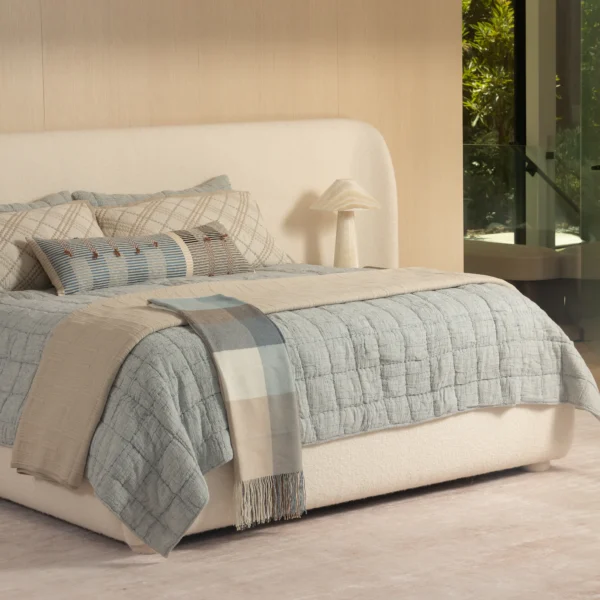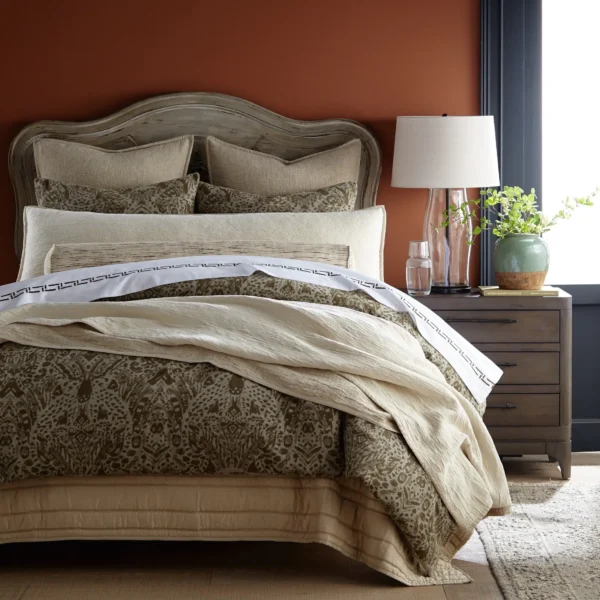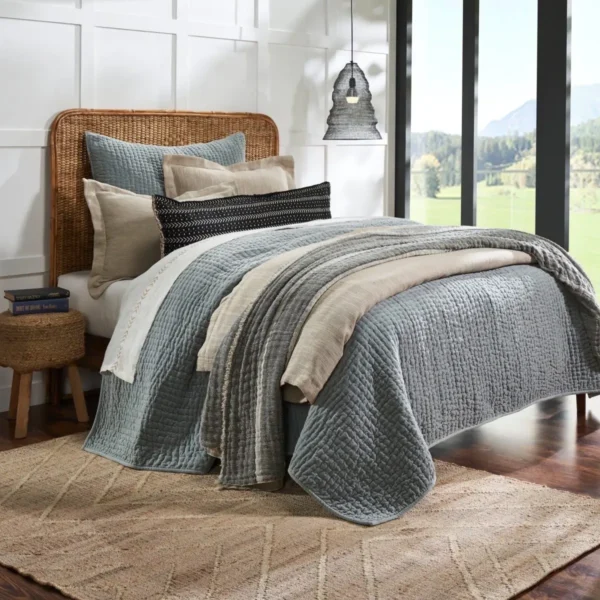


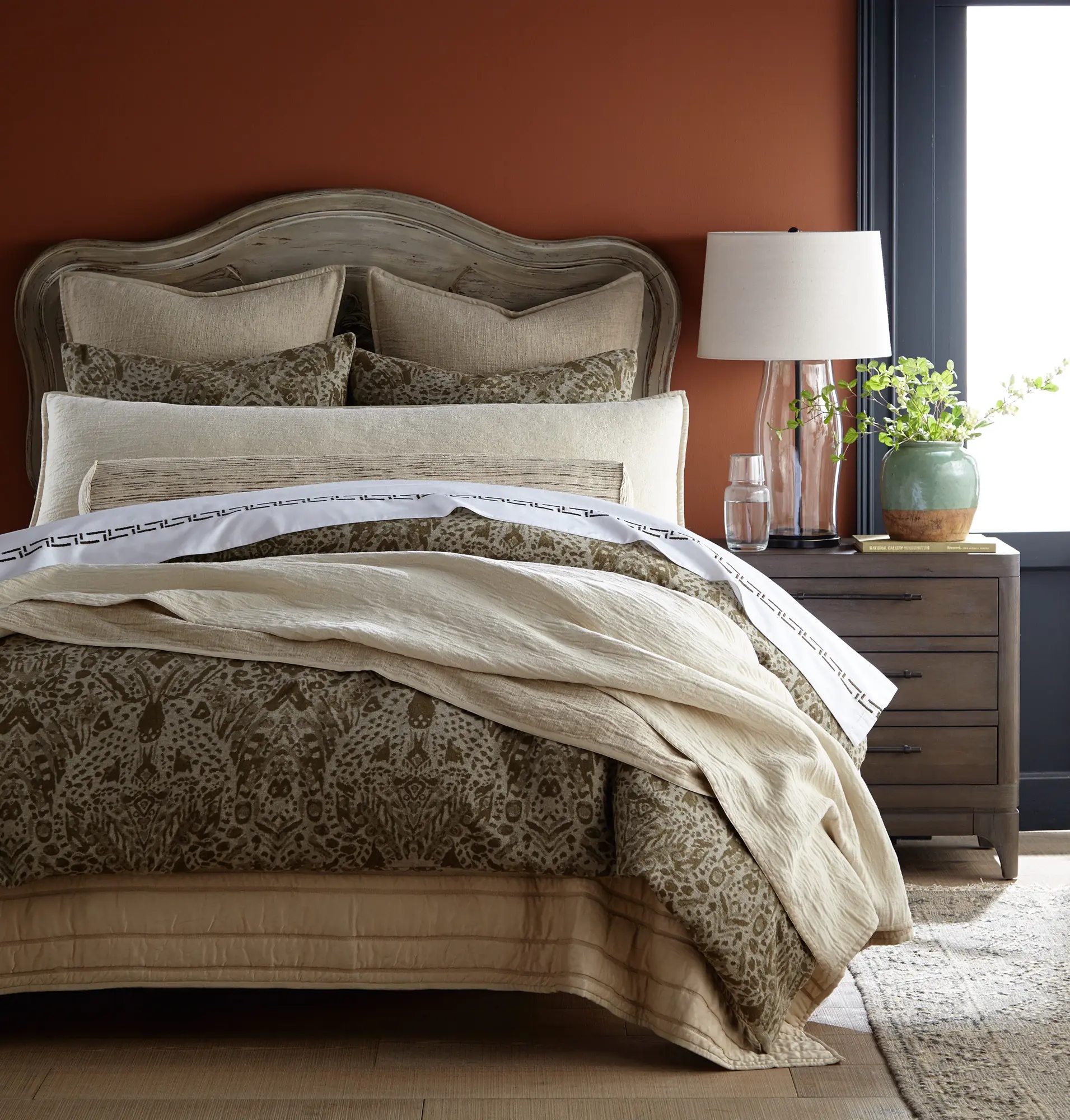
In this guide, you’ll learn simple steps to wash, dry, and maintain your coverlet so it stays soft and stunning for years. Whether you just bought your first one or want to refresh an old favorite, these tips will help you protect your investment.
What Is a Matelasse Coverlet?
Before we dive into care tips, let’s talk about what makes matelasse special.
A matelasse coverlet is a woven bedding piece with a raised, textured pattern. The word “matelasse” comes from French and means “quilted” or “padded.” Unlike regular quilts that use stitching to create texture, matelasse gets its dimensional look from the weaving process itself.
Most matelasse coverlets use cotton as the primary fabric. The weaving technique creates two layers with a slightly padded feel between them. This gives you that luxurious, quilted appearance without the bulk of a traditional quilt.
The texture catches light beautifully and adds depth to your bed. You can use a matelasse coverlet as a lightweight blanket in warm weather or layer it over sheets and blankets for extra warmth in winter.
How Is Matelasse Made?
Understanding how matelasse is woven helps you care for it better.
Matelasse uses a special jacquard weaving technique. The loom weaves two layers of fabric at the same time, connecting them at specific points to create the raised pattern. The areas that aren’t connected puff up slightly, creating that signature textured look.
Traditional matelasse patterns include geometric designs, florals, and medallions. The weaving process is more complex than standard flat weaves, which is why quality matelasse coverlets are considered luxury bedding items.
Because the texture comes from the weaving itself and not from batting or stitching, matelasse coverlets are more durable than you might expect. The fabric won’t separate or bunch up like some quilts can over time.
How Is Matelasse Woven?
The jacquard loom is the key to creating authentic matelasse.
This specialized loom can control individual warp threads, allowing weavers to create intricate patterns. For matelasse, the loom weaves a face fabric and a backing fabric simultaneously. At certain points, the two layers connect, while other areas remain separate.
The separate areas create small pockets that give matelasse its padded appearance. When you run your hand over a matelasse coverlet, you feel the raised and recessed areas that make the pattern come alive.
High-quality matelasse uses 100% cotton threads in both layers. Some manufacturers add a small percentage of synthetic fibers for extra durability, but the best matelasse coverlets stick with pure cotton for breathability and softness.
Matelasse Coverlet Care Tips
Now let’s get to the practical stuff. Here’s how to keep your matelasse coverlet looking its best.
1. Check the Care Label First
Always start by reading the manufacturer’s care instructions. Most matelasse coverlets are machine washable, but some may have specific requirements.
Look for information about water temperature, drying methods, and whether you can use bleach. If your coverlet has any embellishments like embroidery or trim, those might need special care.
When in doubt, follow the label. Manufacturers test their products and know what works best for their specific fabric blend and construction.
2. Pre-Treat Stains Promptly
Don’t let stains sit. The sooner you treat them, the better your chances of complete removal.
For most stains, gently blot (don’t rub) with a clean, damp cloth. Rubbing can push the stain deeper into the fibers and damage the texture.
For tougher stains, use a small amount of mild detergent mixed with water. Apply it to the stain with a soft cloth or sponge. Let it sit for 5-10 minutes, then blot with a clean, damp cloth.
Avoid harsh stain removers or bleach unless the care label specifically says they’re safe. These chemicals can weaken the cotton fibers and fade colors.
How to Wash Matelasse Coverlet
Washing your matelasse coverlet correctly keeps it soft and preserves the texture.
1. Machine Washing Steps
Most matelasse coverlets can go in your washing machine. Here’s the best way to do it:
1. Use cold or warm water. Hot water can shrink cotton and fade colors. Stick with cold water for dark colors and warm water for whites and light colors.
2. Choose a gentle cycle. The delicate or gentle cycle reduces agitation, which protects the woven texture. Avoid heavy-duty cycles that can be too rough on the fabric.
3. Use mild detergent. Skip the heavy-duty detergents and fabric softeners. A gentle, liquid detergent works best. Use about half the amount you’d use for regular laundry.
4. Don’t overload the machine. Your coverlet needs room to move freely in the water. If your machine is too small, consider using a large-capacity washer at a laundromat.
5. Add an extra rinse cycle. This removes all detergent residue, which can make the fabric feel stiff or look dull.
2. Hand Washing Option
If you prefer hand washing or have a delicate vintage matelasse coverlet, here’s how:
Fill a bathtub or large basin with cool water. Add a small amount of mild detergent and swish it around to create suds.
Submerge the coverlet and gently press it down into the water. Let it soak for 15-20 minutes.
Gently agitate the water with your hands, moving the coverlet around. Don’t twist, wring, or scrub.
Drain the soapy water and refill with clean, cool water. Rinse until no soap remains. You may need to rinse 2-3 times.
Press out excess water gently. Don’t wring or twist the fabric.
How to Dry Matelasse Coverlet
Drying is just as important as washing. The right method keeps your coverlet’s texture intact.
1. Air Drying (Best Method)
Air drying is the gentlest option and helps your matelasse coverlet last longer.
Lay the coverlet flat on a clean surface, like a drying rack or clean sheet spread on the floor. Smooth out any wrinkles with your hands.
If you’re drying outside, choose a shady spot. Direct sunlight can fade colors over time.
Flip the coverlet every few hours so both sides dry evenly. Depending on humidity and temperature, air drying can take 6-12 hours.
2. Machine Drying
If you need to use a dryer, follow these guidelines:
1. Use low heat or air-dry setting. High heat can shrink cotton and damage the texture. Low heat or tumble dry with no heat is safest.
2. Remove while slightly damp. Don’t over-dry. Take the coverlet out when it’s still a bit damp and let it finish air drying. This prevents excessive shrinkage and keeps the fabric soft.
3. Add dryer balls. Wool dryer balls help fluff the coverlet and reduce drying time without fabric softener.
4. Check frequently. Look in on your coverlet every 15-20 minutes to make sure it’s not getting too hot or tangled.
Never Do This
Avoid these common drying mistakes:
- Don’t use high heat
- Don’t use fabric softener sheets (they can leave residue)
- Don’t leave it in the dryer after the cycle ends (wrinkles set in)
- Don’t hang it on a clothesline by the corners (this can stretch the fabric)
How to Use a Matelasse Coverlet
Matelasse coverlets are versatile. Here are the best ways to use yours:
1. As a Lightweight Blanket
In spring and summer, use your matelasse coverlet as your main blanket. The cotton breathes well and provides just enough warmth for comfortable sleep.
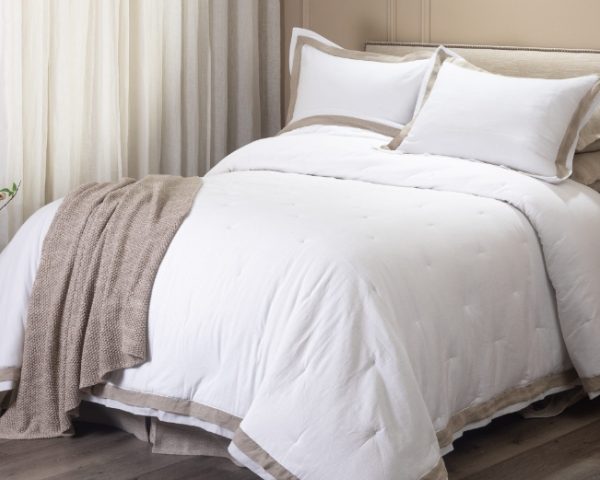
Layer it over a flat sheet for a classic look. Fold the top edge down about 12 inches to show off the pattern.
2. As a Decorative Layer
In cooler months, use your matelasse coverlet as a decorative layer over your duvet or comforter.
Fold it at the foot of the bed for a hotel-style look. Or drape it over the entire bed and fold your duvet down to create visual interest.
The texture adds dimension that makes your bed look more expensive and carefully styled.
3. As a Throw
Smaller matelasse coverlets work beautifully as throws on sofas or chairs. The texture adds visual interest to your living spaces.
Drape it casually over one arm of your sofa or fold it neatly at the foot of a reading chair.
Storage Tips for Matelasse Coverlets
Proper storage keeps your coverlet fresh between uses.
Clean before storing. Always wash and completely dry your coverlet before putting it away. Storing dirty bedding can attract pests and cause odors.
Fold loosely. Avoid tight folds that can create permanent creases. Fold your coverlet in thirds or quarters, then store it in a breathable cotton storage bag or on a shelf.
Avoid plastic bags. Plastic traps moisture and can cause mildew. Use cotton storage bags, pillowcases, or breathable fabric bins instead.
Choose a cool, dry spot. Store your coverlet in a closet or under-bed storage away from direct sunlight and humidity.
Add cedar or lavender. Natural moth repellents like cedar blocks or lavender sachets keep your coverlet fresh and pest-free.
Refold occasionally. If you’re storing your coverlet for months, refold it along different lines every few weeks to prevent permanent creases.
Best Matelasse Coverlet Materials
Not all matelasse coverlets are created equal. The material makes a big difference in how your coverlet looks, feels, and wears over time.
1. 100% Cotton Matelasse
Pure cotton is the gold standard for matelasse coverlets. It’s breathable, soft, and gets better with every wash.
Look for long-staple cotton varieties like Egyptian cotton or Pima cotton. These have longer fibers that create a smoother, more durable fabric.
Cotton matelasse is easy to care for and works well in all seasons. It’s naturally hypoallergenic and perfect for sensitive skin.
2. Cotton Blend Matelasse
Some matelasse coverlets blend cotton with small amounts of polyester or other synthetic fibers.
These blends can be more wrinkle-resistant and may cost less than 100% cotton. However, they may not breathe as well or feel as soft.
If you choose a blend, look for at least 80% cotton content for the best balance of durability and comfort.
What to Avoid
Skip matelasse coverlets made entirely from synthetic materials. They don’t breathe well, can feel scratchy, and don’t have the same luxurious drape as cotton.
Also avoid coverlets with rough or stiff texture. Quality matelasse should feel soft to the touch, even when new.
How Often Should You Wash Your Matelasse Coverlet?
The washing frequency depends on how you use your coverlet.
If you use it as your main blanket: Wash every 2-3 weeks, or more often if you sweat at night or have allergies.
If you use it as a decorative layer: Wash every 2-3 months, or when it looks or smells less than fresh.
If you use it as a throw: Wash every 3-4 months, or as needed.
Between washes, air out your coverlet by hanging it outside for a few hours or draping it over a chair near an open window. Fresh air helps remove odors and keeps it feeling clean.
Conclusion
Taking care of your matelasse coverlet doesn’t have to be complicated. Wash it gently in cool water, dry it on low heat or air dry, and store it properly when not in use. These simple steps will keep your coverlet looking beautiful and feeling soft for many years.
The key is treating your matelasse coverlet with the same care you’d give any quality bedding. Avoid harsh chemicals, high heat, and rough handling. With the right care routine, your matelasse coverlet will remain a stunning centerpiece of your bedroom for seasons to come.
Ready to give your matelasse coverlet the care it deserves? Start with these simple steps today and enjoy luxurious, textured bedding that looks as good as the day you bought it.