


The table is where memories are made—intimate dinners, holiday gatherings, celebrations that linger long after the last guest departs. For interior designers and discerning homeowners alike, luxury table linens are far more than functional pieces. They’re the foundation of a thoughtfully composed tablescape, the tactile detail that transforms a meal into an experience.
Yet selecting the right table linens requires more than an eye for color. It demands an understanding of fabric quality, construction techniques, and how different materials perform across seasons and occasions. Whether you’re specifying linens for a client’s formal dining room or curating your own collection, this guide will help you navigate the world of fine table linens with confidence.
Not all table linens are created equal. The distinction between mass-market and luxury pieces lies in three fundamental areas:
Premium table linens begin with superior fibers. Natural materials—linen, long-staple cotton, and blends that combine the best properties of each—form the foundation of luxury textiles.
European linen, particularly from Belgium and France, is prized for its long fibers that create smooth, durable fabric with natural luster.
Egyptian and Pima cotton offer exceptional softness and strength, while maintaining the crisp hand that defines formal table settings.
The weave matters as much as the fiber. Damask weaves create subtle, elegant patterns through the interplay of matte and lustrous threads.
Jacquard techniques allow for intricate designs woven directly into the fabric rather than printed on the surface.
These construction methods result in linens that improve with age, becoming softer and more beautiful with each wash.
Luxury table linens reveal their quality in the details. Look for:
The most sophisticated table linen collections offer coordinated pieces that work together seamlessly. Tablecloths, napkins, placemats, and runners should share a design language—whether through complementary patterns, coordinated colorways, or harmonious textures. This approach allows designers to layer pieces for visual interest while maintaining a cohesive aesthetic.
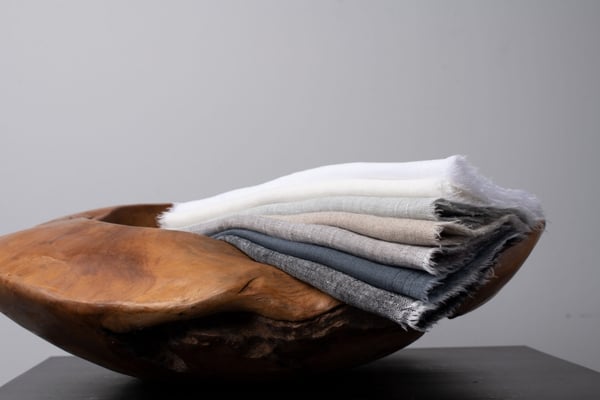
Linen remains the gold standard for formal dining. Its natural texture adds visual interest, while its absorbency makes it practical for everyday use. Linen softens beautifully over time, developing a relaxed elegance that never looks worn. The fabric’s natural wrinkle is part of its charm—a quality that signals authenticity rather than carelessness.
Egyptian and Pima cotton table linens offer exceptional softness with a smooth, refined hand. Cotton accepts dye beautifully, allowing for rich, saturated colors that remain vibrant through repeated washing. The fabric’s natural breathability makes it comfortable in all seasons.
Blended fabrics combine linen’s texture and durability with cotton’s softness and color retention. These versatile linens offer the best of both worlds—the sophisticated drape of linen with improved wrinkle resistance and easier care.
For formal occasions, opt for tablecloths that extend 10-15 inches beyond the table edge, creating an elegant drape. Damask or jacquard weaves in classic white, ivory, or subtle tone-on-tone patterns convey timeless sophistication. Pair with generously sized dinner napkins (22-24 inches square) that can be folded into architectural shapes or simply draped with understated elegance.
Relaxed gatherings call for linens that feel approachable yet elevated. Placemats offer flexibility—they’re easier to launder than full tablecloths and allow the table’s surface to contribute to the overall design. Consider textured linens in natural tones, subtle stripes, or small-scale patterns that add personality without formality.
Holiday and seasonal entertaining provides an opportunity to introduce richer colors and more decorative patterns. Look for collections that offer coordinating pieces—perhaps a neutral base tablecloth with seasonal runners and napkins that can be swapped throughout the year.
Proper sizing ensures linens drape beautifully and function well. Here’s what to specify:
Luxury table linens are designed to last generations when properly cared for. Here’s how to preserve their beauty:
For designers specifying table linens for clients, or homeowners building their own collection, start with these foundational pieces:
At Amity Home, table linens are designed with the same attention to detail and timeless elegance that define our entire collection.
Our pieces feature premium natural fibers, thoughtful construction, and designs that coordinate seamlessly with our bedding and custom window treatment offerings.
For interior designers, our trade program provides access to our full collection with dedicated support for client projects. Whether you’re furnishing a formal dining room or creating a cohesive aesthetic throughout a home, our table linens offer the quality and design integrity your projects demand.
Explore our table linen collection to discover napkins, placemats, runners, and guest towels crafted for everyday luxury and special occasions alike. For trade inquiries and access to our complete e-catalog, visit our website.
Luxury table linens are an investment in the art of gathering. They elevate ordinary meals into memorable occasions, provide the foundation for creative tablescapes, and improve with age rather than showing wear. For interior designers, specifying quality table linens demonstrates attention to detail and commitment to creating spaces that function beautifully across all aspects of daily life.
The right table linens don’t just dress a table—they set the tone for connection, conversation, and the rituals that make a house a home. Choose pieces that reflect your design vision, invest in quality that lasts, and enjoy the quiet luxury of a beautifully set table for years to come.
No account yet?
Create an AccountWe use cookies to improve your experience on our site. By using our site, you consent to cookies.
Manage your cookie preferences below:
Essential cookies enable basic functions and are necessary for the proper function of the website.
CloudFlare provides web performance and security solutions, enhancing site speed and protecting against threats.
Service URL: developers.cloudflare.com (opens in a new window)
These cookies are used for managing login functionality on this website.
UserWay is an AI-powered accessibility widget that scans a website for WCAG and ADA accessibility issues and gives visitors on-page tools to adjust contrast, font size, navigation, and other display settings.
Service URL: userway.org (opens in a new window)
WooCommerce is a customizable eCommerce platform for building online stores using WordPress.
Statistics cookies collect information anonymously. This information helps us understand how visitors use our website.
Clarity is a web analytics service that tracks and reports website traffic.
Service URL: clarity.microsoft.com (opens in a new window)
Google Analytics is a powerful tool that tracks and analyzes website traffic for informed marketing decisions.
Service URL: policies.google.com (opens in a new window)
Clarity is a web analytics service that tracks and reports website traffic.
Service URL: clarity.microsoft.com (opens in a new window)
Track user interactions on your site with to optimize engagement and conversions.
SourceBuster is used by WooCommerce for order attribution based on user source.
Marketing cookies are used to follow visitors to websites. The intention is to show ads that are relevant and engaging to the individual user.
Facebook Pixel is a web analytics service that tracks and reports website traffic.
Service URL: www.facebook.com (opens in a new window)