

Here's a secret the bedding industry doesn't want you to know: that 1000 thread count sheet you're eyeing might actually feel worse than a 300 thread count one.
Shopping for bed sheets can feel like decoding a secret language. Thread count numbers are plastered everywhere, promising cloud-like comfort if you just go higher. But here's the truth: thread count is just one piece of the puzzle. Understanding what makes a good thread count—and why it matters less than you think—will save you money and help you sleep better. Let's cut through the marketing hype and find sheets that actually feel amazing.
Thread count measures the number of threads woven into one square inch of fabric. This includes both the horizontal threads (called weft) and vertical threads (called warp). So a 300 thread count sheet has 300 threads packed into each square inch.
Sounds simple, right? Here’s where it gets tricky. Some manufacturers use multi-ply threads—basically twisting two or three thin threads together and counting each one separately. This inflates the thread count number without actually improving quality. A 600 thread count sheet made with two-ply threads might actually have the same thread density as a 300 thread count sheet made with single-ply threads.
This is why you can’t judge sheet quality by thread count alone. The type of cotton, the weave style, and the finishing process all matter just as much—if not more.
According to textile experts and lab testing from Good Housekeeping, the sweet spot for cotton sheets is between 300 and 500 thread count. This range offers the best balance of softness, breathability, and durability.
Here’s what the research shows:
200-400 thread count: Perfect for most people. Sheets in this range feel crisp, breathe well, and get softer with every wash. This is the ideal range for percale weave sheets.
300-600 thread count: The luxury zone. Sheets here feel smooth and substantial without being heavy. Great for sateen weave sheets that have a silky finish.
Above 600 thread count: Often marketing hype. Wirecutter experts note that anything above 600 rarely feels better and may actually trap heat. Many ultra-high thread count sheets use multi-ply tricks to inflate numbers.
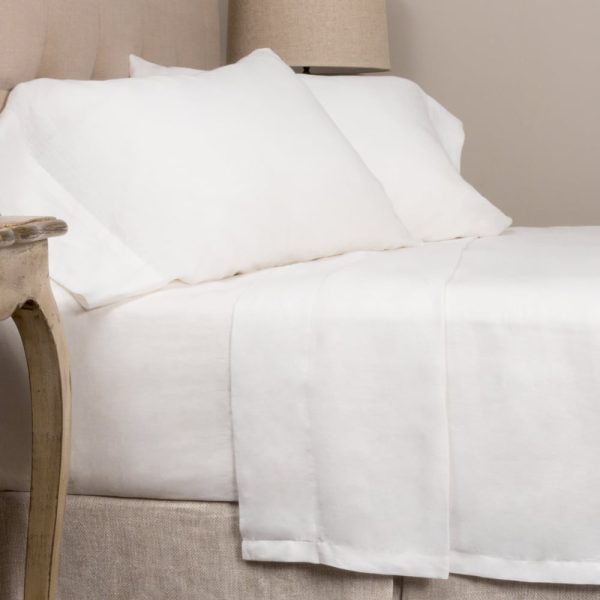
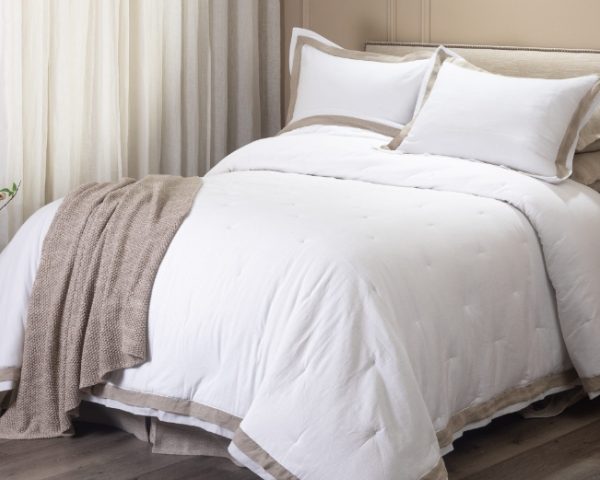
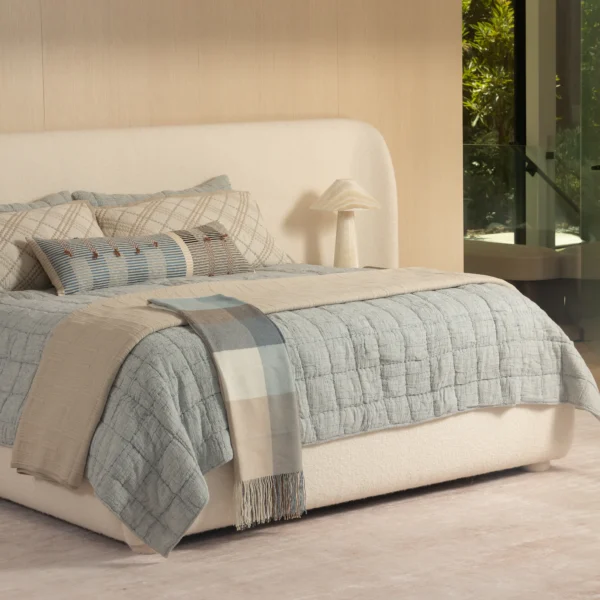
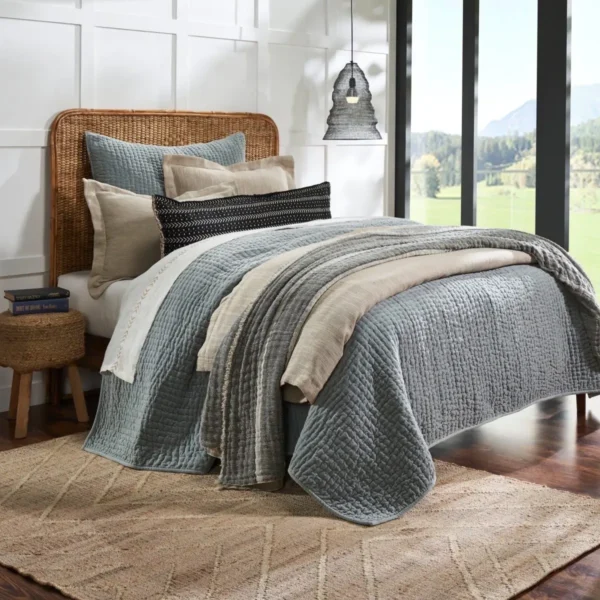
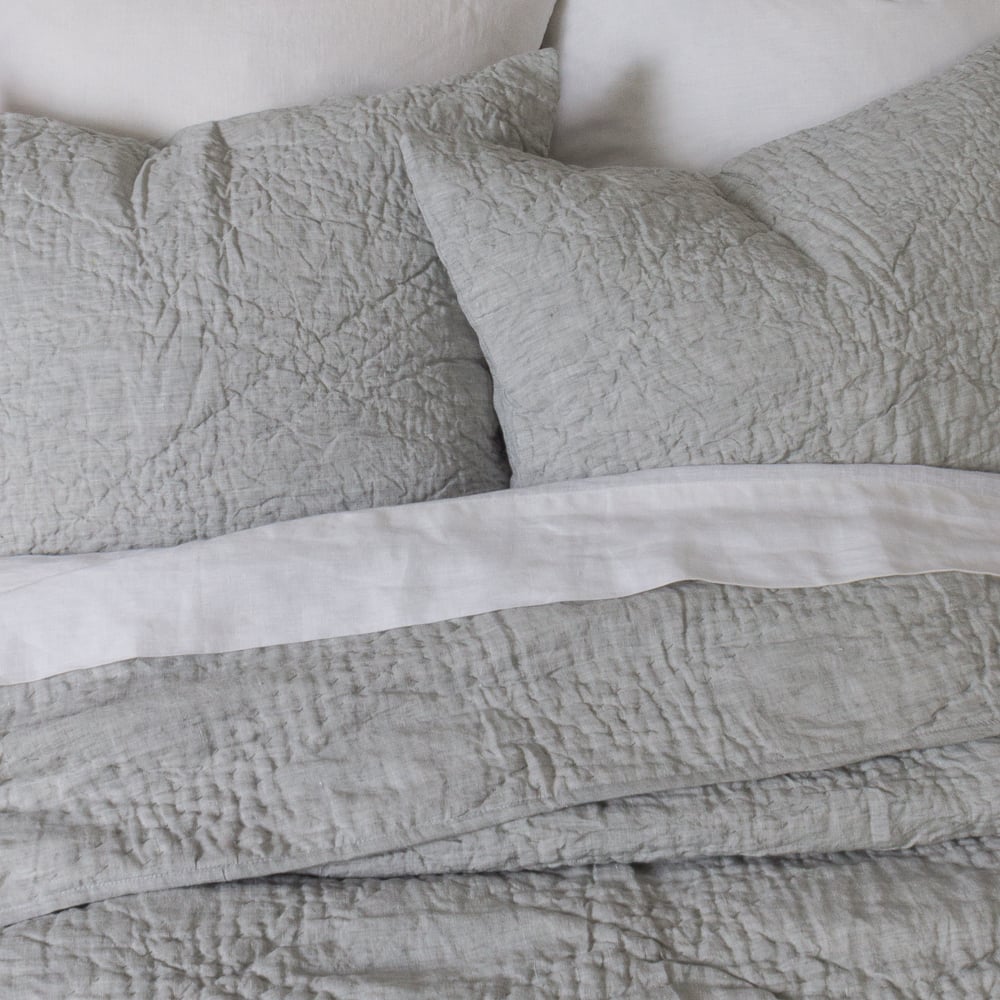
The Barcelona Linen Quilt shows how natural materials can deliver luxury without obsessing over thread count. Made from 100% fine linen, it proves that fabric quality trumps numbers every time.
Yes and no. Thread count matters, but only when you're comparing sheets made from the same material with the same weave. It's like comparing apples to apples.
Here's what actually matters more:
Cotton quality: Long-staple cottons like Egyptian, Pima, or Supima create softer, more durable sheets than regular cotton—regardless of thread count. A 300 thread count Egyptian cotton sheet will outlast and outperform a 600 thread count regular cotton sheet.
Weave type: Percale weave creates crisp, cool sheets perfect for hot sleepers. Sateen weave creates smooth, silky sheets with a subtle sheen. The weave affects how sheets feel more than thread count does.
Finishing process: How sheets are washed, treated, and finished impacts softness and durability. Quality manufacturers invest in better finishing, not just higher thread counts.
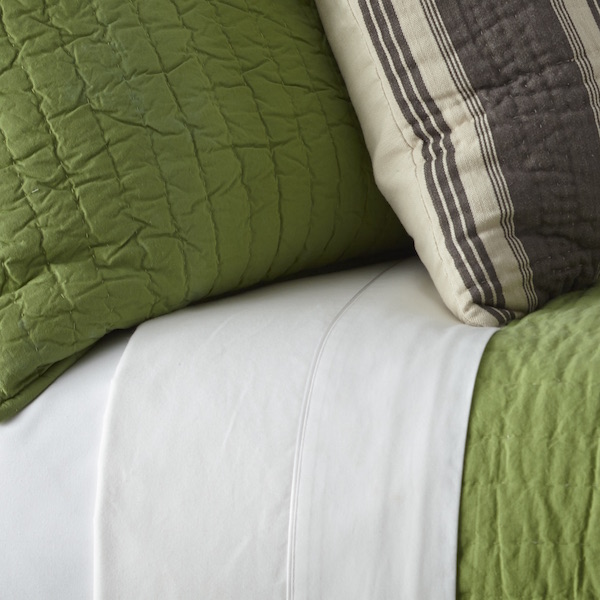
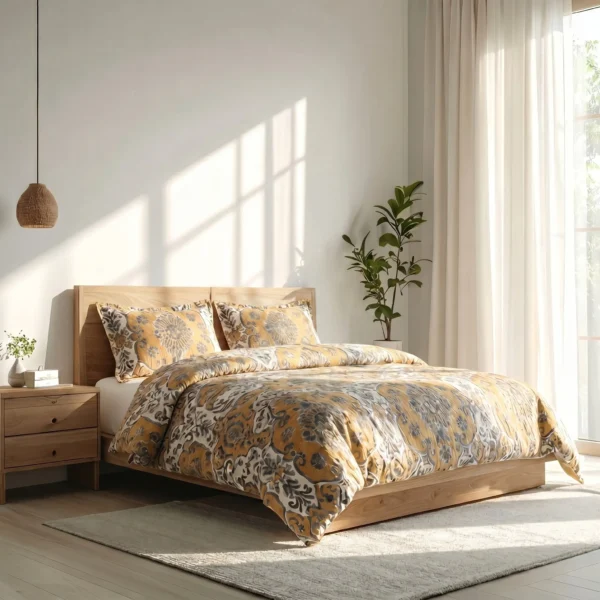
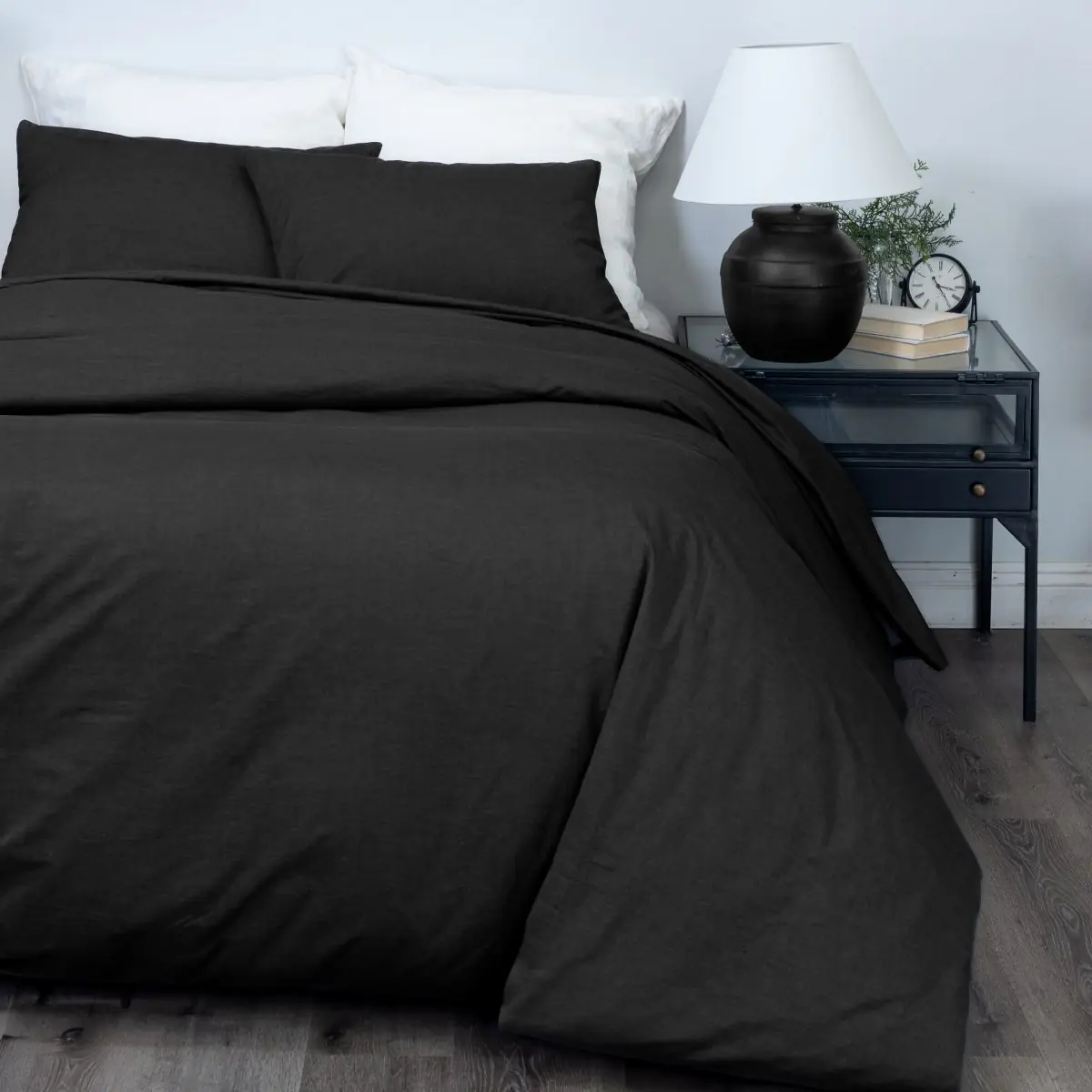
The Soma Duvet Cover demonstrates this perfectly. Made from 100% cotton percale, it delivers that crisp, breathable feel that percale lovers crave—without relying on inflated thread count claims.
Different fabrics have different ideal thread count ranges. Here’s what works best:
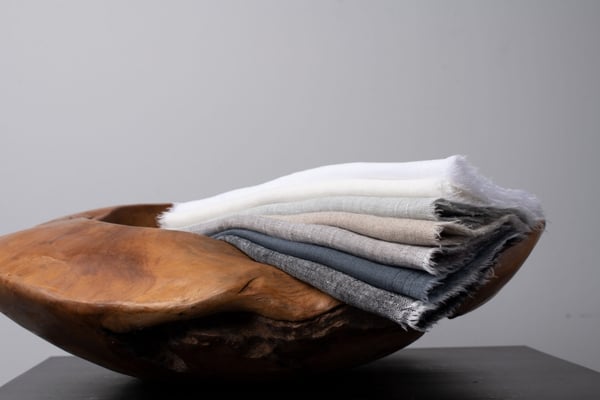
Linen is measured differently. Thread count ranges from 80-150, which sounds low but is actually perfect. Linen fibers are thicker than cotton, so fewer threads create the same coverage. Focus on the weight (GSM) instead.
Look for 250-350 thread count. Bamboo fibers are naturally soft, so they don’t need high thread counts to feel luxurious.
Thread count doesn’t apply the same way to synthetic microfiber. Instead, look at GSM (grams per square meter). Aim for 90-120 GSM for quality microfiber sheets.
No. In most cases, a 1000 thread count sheet is a marketing gimmick.
Here’s why: there’s a physical limit to how many threads can fit in one square inch. Once you hit around 400-500 threads with single-ply yarn, you’ve maxed out the space. To go higher, manufacturers either use multi-ply threads (counting each ply separately) or use lower-quality, thinner threads that break down faster.
Sleep Foundation research confirms that sheets above 600 thread count often feel stiff and heavy. They trap heat instead of breathing, making them uncomfortable for most sleepers.
A 500 thread count sheet made from quality long-staple cotton will feel better, last longer, and sleep cooler than a 1000 thread count sheet made from regular cotton with multi-ply tricks.
Most luxury hotels use sheets in the 300-400 thread count range. They prioritize durability, breathability, and that crisp, fresh feel guests love.
Five-star hotels typically choose: – 300-400 thread count percale for a crisp feel – 400-600 thread count sateen for a silky feel – Long-staple cotton (Egyptian or Pima) for quality – White or light colors that can withstand commercial laundering
Hotels wash sheets constantly at high temperatures. They need sheets that can survive hundreds of wash cycles. Ultra-high thread count sheets wouldn't last in a hotel environment.
Follow these steps to find your perfect sheets:
Step 1: Pick your fabric Start with the material. Do you want cotton, linen, bamboo, or something else? This matters more than thread count.
Step 2: Choose your weave – Hot sleeper? Go with percale (crisp and cool) – Want silky smoothness? Choose sateen – Love that lived-in feel? Try linen
Step 3: Look for quality indicators – Long-staple cotton (Egyptian, Pima, Supima) – Single-ply threads – Reputable brands with good reviews – Reasonable thread counts (200-600)
Step 4: Check the thread count range – Percale: 200-400 – Sateen: 300-600 – Match the thread count to your chosen weave
Step 5: Read reviews Real customer reviews tell you more than any thread count number. Look for comments about softness, durability, and how sheets hold up after washing.
Myth 1: Higher thread count always means better quality False. Thread count above 600 is often achieved through multi-ply tricks or lower-quality threads.
Myth 2: Thread count is the most important factor False. Cotton quality, weave type, and finishing matter more.
Myth 3: You need 1000+ thread count for luxury False. Most luxury bedding falls in the 300-500 range.
Myth 4: All thread counts are measured the same way False. There's no standardized measurement, so brands can manipulate numbers.
Myth 5: Low thread count means cheap sheets False. Quality linen sheets have thread counts of 80-150 and cost more than many high thread count cotton sheets.
For most people, sheets in the 300-400 thread count range offer the best combination of comfort, durability, and value. This applies to quality cotton sheets with single-ply threads.
Here’s your quick reference guide:
Remember: thread count is just one factor. Focus on finding sheets made from quality materials with the right weave for your sleep style. Read reviews, feel samples when possible, and don't fall for ultra-high thread count marketing.
Your perfect sheets are out there—and they probably have a lower thread count than you think. Sweet dreams start with smart shopping, not sky-high numbers.
No account yet?
Create an AccountWe use cookies to improve your experience on our site. By using our site, you consent to cookies.
Manage your cookie preferences below:
Essential cookies enable basic functions and are necessary for the proper function of the website.
CloudFlare provides web performance and security solutions, enhancing site speed and protecting against threats.
Service URL: developers.cloudflare.com (opens in a new window)
These cookies are used for managing login functionality on this website.
UserWay is an AI-powered accessibility widget that scans a website for WCAG and ADA accessibility issues and gives visitors on-page tools to adjust contrast, font size, navigation, and other display settings.
Service URL: userway.org (opens in a new window)
WooCommerce is a customizable eCommerce platform for building online stores using WordPress.
Statistics cookies collect information anonymously. This information helps us understand how visitors use our website.
Clarity is a web analytics service that tracks and reports website traffic.
Service URL: clarity.microsoft.com (opens in a new window)
Google Analytics is a powerful tool that tracks and analyzes website traffic for informed marketing decisions.
Service URL: policies.google.com (opens in a new window)
Clarity is a web analytics service that tracks and reports website traffic.
Service URL: clarity.microsoft.com (opens in a new window)
Track user interactions on your site with to optimize engagement and conversions.
SourceBuster is used by WooCommerce for order attribution based on user source.
Marketing cookies are used to follow visitors to websites. The intention is to show ads that are relevant and engaging to the individual user.
Facebook Pixel is a web analytics service that tracks and reports website traffic.
Service URL: www.facebook.com (opens in a new window)