

Bedding has evolved significantly—from simple sheets to options like quilts, comforters, and duvets. Comforters have become the go-to choice for households. According to Cotton Incorporated, about 58% of people in the USA use comforters, while 11% prefer duvets. The numbers are getting higher day by day.
Along with these shifts, people around the globe have begun preferring bedding sets that are both highly comfortable and stylish. An internal survey from Parachute reports that 40% of Americans do not prefer the top sheet. These are replaced by comforters or duvets.
The purpose of the blog is to describe some prominent differences between Quilt, Comforter, and Duvet in 2026.
Quick Comparison Between Quilt, Comforter & Duvet
Buying bed essentials has become a tough call. Some sheets are impeccably soft, and there are blankets to provide warmth during freezing winter nights, along with many other categories that will occasionally challenge your mental presence when selecting bedroom essentials.
Then you finally arrive in this category – whether I should go with a comforter, a quilt, or a duvet. Do they have any major differences? So, the table below talks about the core differences in each category.
| Feature | Comforter | Duvet | Quilt |
| Suitability | Year-round in temperate climates; good for moderate warmth needs | Cold weather or cool sleepers; adjustable for seasons via inserts | Warm climates, summer, or hot sleepers; lightweight layering |
| Usage | Standalone top layer on bed; fluffy, all-in-one cover and fill | Insert plus removable cover; ideal for frequent style changes | Decorative topper or layer; often reversible for versatility |
| Types | Down, synthetic, feather; varying loft levels | Down, synthetic, wool fills; light/medium/heavy weights | Patchwork, applique, whole-cloth; thin batting |
| Warmth | Moderate; thicker than quilts but less lofty than duvets | Highest; excellent heat trapping with high-loft fills | Lighter insulation for breathability |
| Layers | Three fixed layers: top fabric, thick fill, bottom fabric | Two pieces: insert (fill) + separate washable cover | Three stitched layers: top, thin batting, backing |
| Filling | Down, feathers, polyester batting; quilted to secure | Down, synthetic fibers, wool; baffle-stitched insert | Thin cotton, wool batting; evenly stitched |
| Styles | Puffed, solid colors or simple patterns; edges quilted | Sleek, customizable via covers; minimal quilting | Intricate stitched patterns, patchwork, flat profile |
What are Duvets
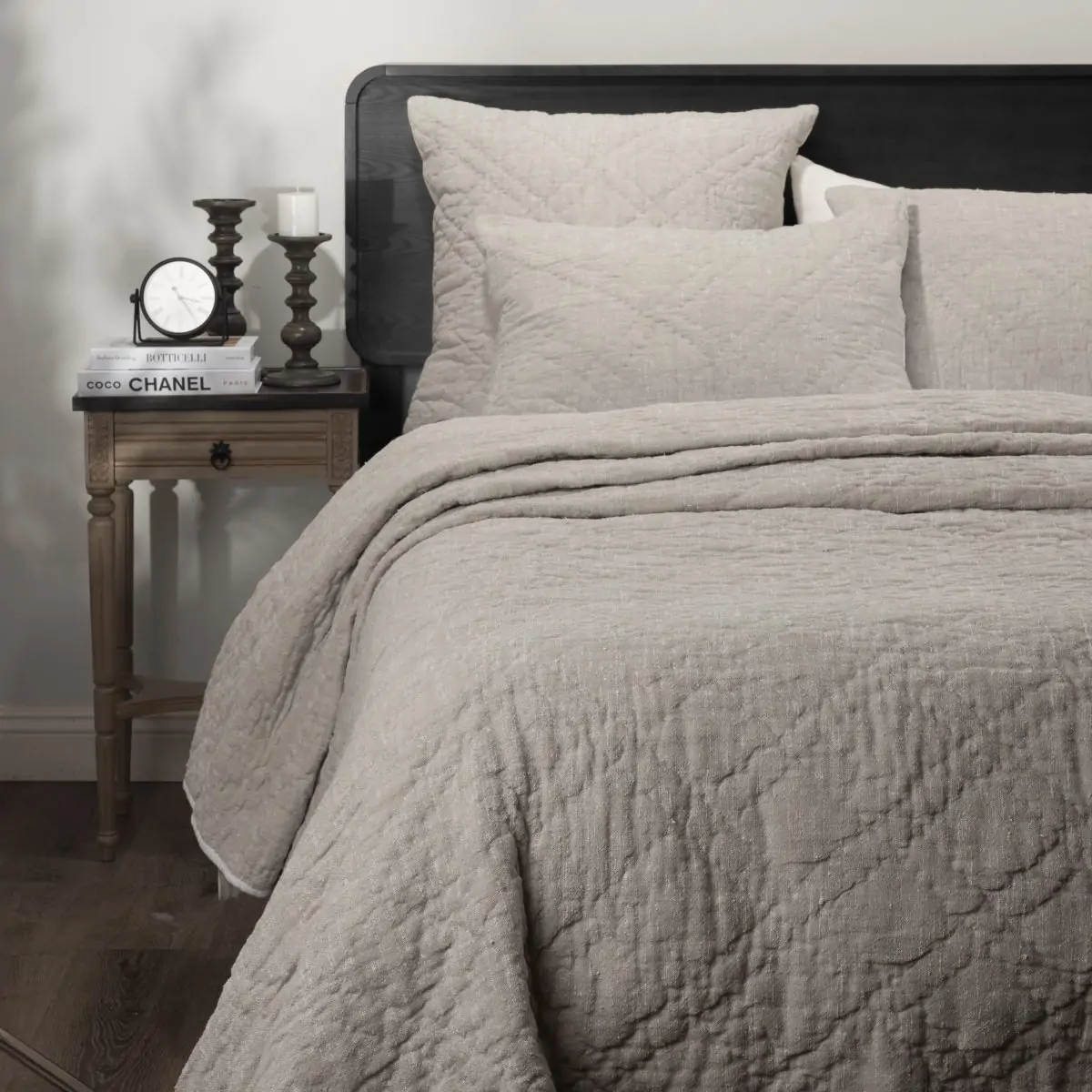
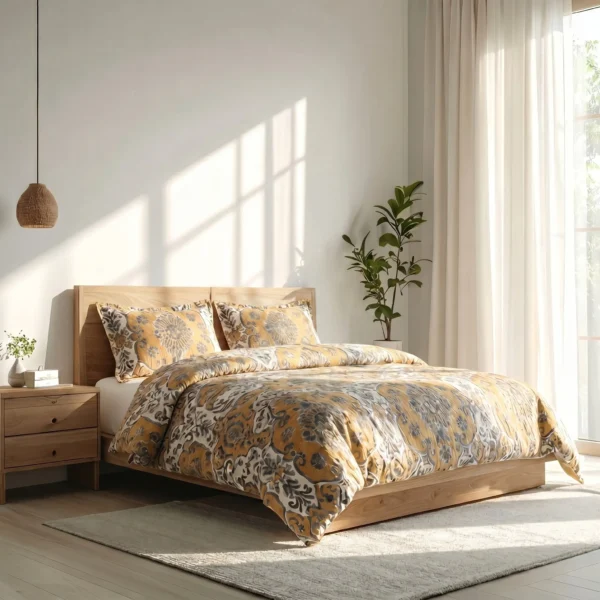
The major difference is that duvets are designed to be used with separate duvet covers. Meanwhile, the comforters have a cover built in. The duvet covers shield the inner comforter and are easy to use and highly durable when it comes to laundry.
The warmth of a duvet is referred to as the amount of filling it has. Duvets can be utilized as a single topper in summer, and when winter comes, you can layer it with an extra blanket. These are available in various ranges; you can pick as per your choice.
Pros of Using Duvets
- These are highly manageable for minimalist, sophisticated, or modern bedrooms.
- Good to go when you do not want to add a top sheet.
- By just swapping the cover, you can alter the look and feel of the bedroom.
Cons of Using Duvets
- Cozy yet difficult to manage when it comes to removing the cover.
- You may have to buy another one because it is not easy to remove the cover.
What are Comforters
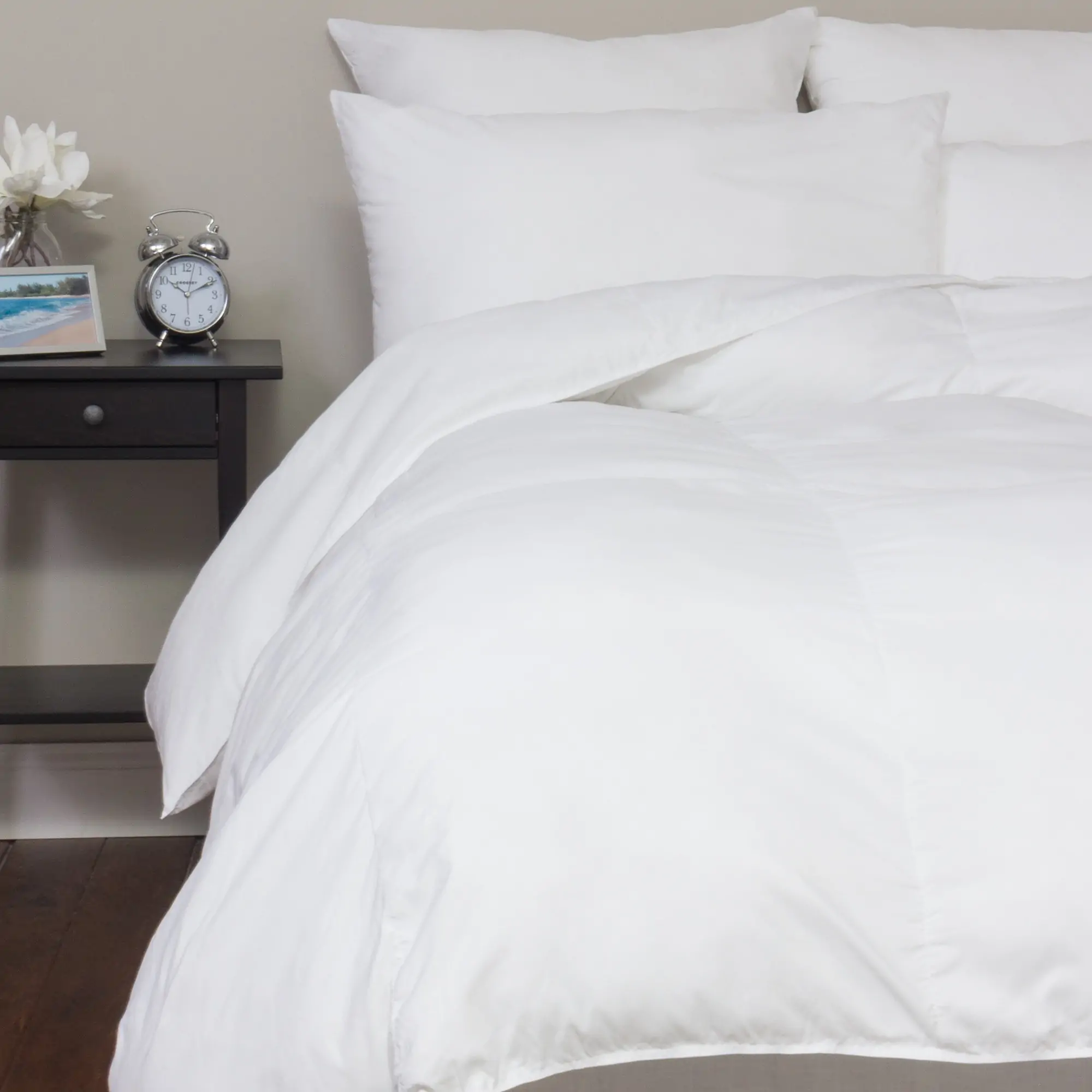
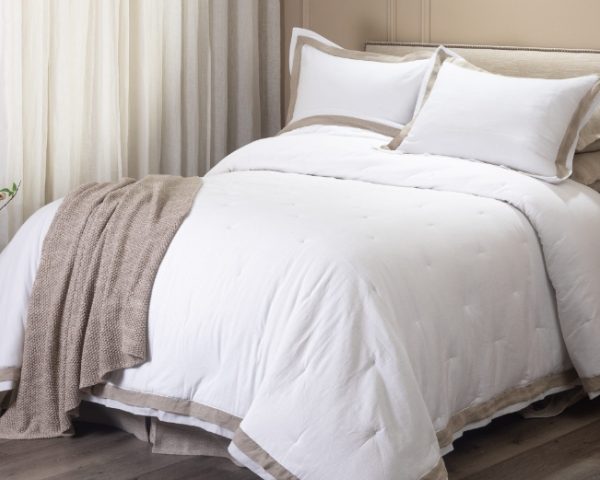
These are fluffy and thick, which are filled with synthetic fibres, down feathers, or it might come in combination of both. The comforter comes in a stylish fabric cover that is usually made up of cotton, polyester, or a blend of other materials. You can pick any color, size, and pattern as per your bedding needs.
Pros of Using Comforter
- Provide excellent insulation and warmth for colder nights, trapping body heat effectively.
- Available in diverse materials (down, synthetic) and styles, allowing customization for comfort and aesthetics.
- Ready to use immediately without needing a separate cover, making them economical and simple.
Cons of Using Comforter
- Can retain too much heat, uncomfortable for hot sleepers or summer use.
- Bulky and heavy, harder to manage, store, or layer on the bed.
- Require special care like dry cleaning or large washers, as they’re harder to launder fully.
What Are Quilts
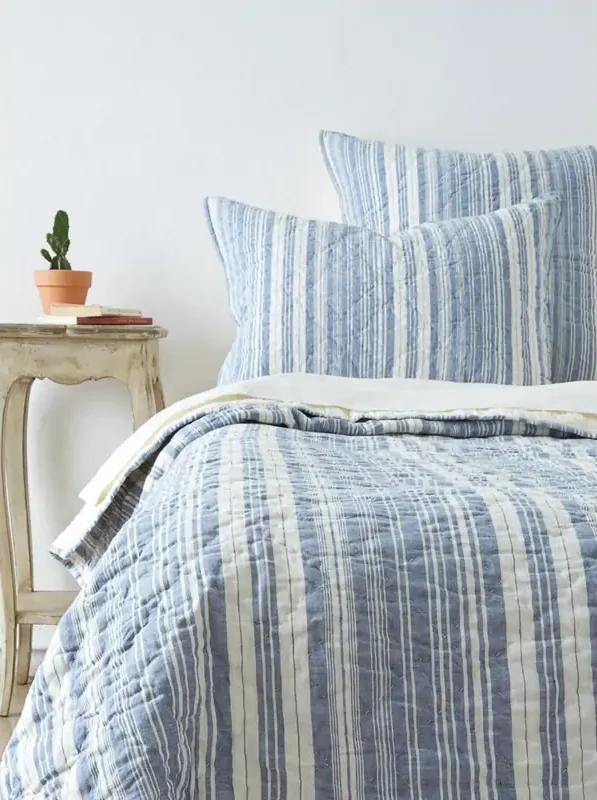
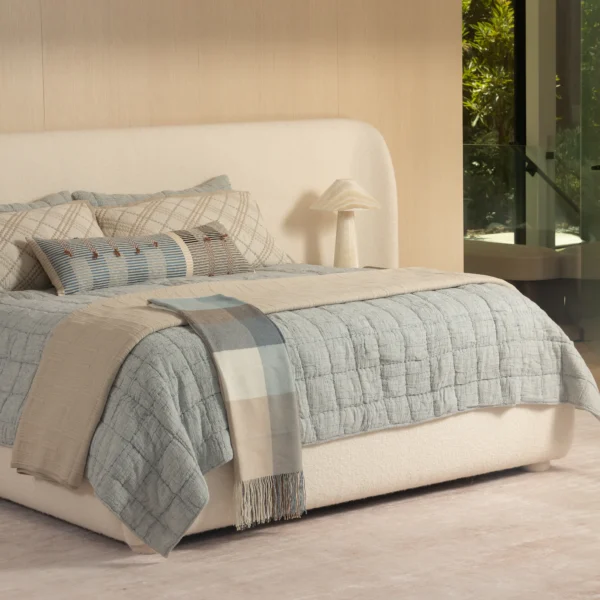
This is the traditional bedding option, having three prominent layers. The first one is the top fabric, the second is batting (filling), and the last layer comprises backing material. These offer a handmade aesthetic and are highly decorative and functional, unlike comforters.
Pros of Using Quilt
- Lightweight and breathable, perfect for spring/summer or moderate US climates, preventing night sweats.
- Easier to wash and dry at home compared to bulkier options, suiting smaller US household machines and energy efficiency.
- Durable with stitched designs, offering aesthetic appeal and less frequent washing needs.
Cons of Using Quilt
- Limited warmth for colder US nights or northern winters, often requiring extra layers.
- A thinner profile may shift or bunch during sleep, lacking the loft of fluffier bedding.
- Patterns can feel dated or less plush, potentially clashing with modern minimalist US bedroom trends.
Final Thoughts
When it comes to comparing comforters, quilts, and duvets, the materials are an imperative part. It defines the durability, warmth, comfort, and feel of the entire bedroom. A comforter comes with synthetic filling, making it perfect for people with skin issues. Quilts come with natural fibres like wool or cotton, providing high-end comfort and breathability. Last but not least, Duvets have down feathers which offer hands-on insulation and a plush texture.
Visiting amityhome will bring you a deep understanding of what to choose between a quilt vs comforter, and a duvet. Whether you want to have the luxurious warmth of a duvet, the impeccable elegance of a quilt, or the bold versatility of a comforter. Amityhome has got you covered. We offer endless styles and the epitome of comfort, which embraces your bedrooms.