









How to Take Care of Your Duvet Cover and Extend its Lifespan 

A duvet cover set can transform your bedroom look and give it a luxurious look. Even the duvet covers with most quality fabrics will eventually wear out with constant usage. It is therefore important to learn the proper method of washing your duvet cover set to serve you long enough. Here are all the facts you need to know to maintain your duvet covers to look and feel like new for as long as possible.

1. Read and Follow Care Labels

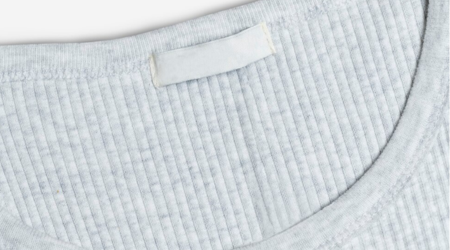
Well, labels on duvet covers, or any garment for that matter are not just stickers or fancy designs, they render you washing introductions on how to rightfully clean your duvet cover. Similar to any garment, fabric type, dye, or texture, care instructions give directions on how to handle the particular items to achieve the best outcome. Therefore, look at the care label meticulously to understand the type of fabric of your duvet cover and whether it can be machine-washed or hand-washed,  if it requires gentle cycles, or if dry cleaning is recommended.

2. Wash Frequency

As much as cleanliness is good, machine washing your duvet cover too often may lead to color fading and wearing away of fabric. The frequency of washing duvet covers should be between two to four weeks. If you use a top sheet, you can also extend this to every four to six weeks.


3. Avoid Harsh Detergents and Soaps

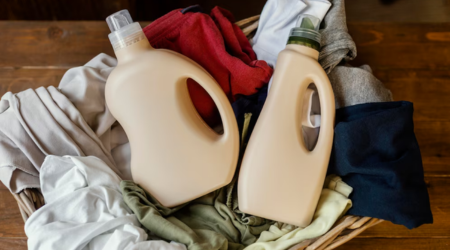
There are often found chemicals in standard detergents that can degrade natural fibers, fade out the colors, and weaken the fabric. Use a gentle detergent instead that is suitable for washing delicate fabrics like silk, if you want to maintain the natural color and feel of your duvet cover. It is advised that one refrain from the usage of fabric softeners because they can cause accumulation and decrease the possibility of breathing through a fabric such as cotton or linen.

5. Avoid Overloading the Machine

Duvet covers, being heavy as well as larger in size,  require space within a washing machine to circulate. Therefore, it is inadvisable to overload your washer because this can lead to uneven cleaning of your clothes and duvet covers as well as tangled fabrics and stretching or tearing. But with an oversized setting in your washer, you can ideally wash heavy items like duvet covers with ease.

6. Drying Techniques

The drying process can be seen as the most challenging for duvet covers. Here are some tips to protect them during this stage:

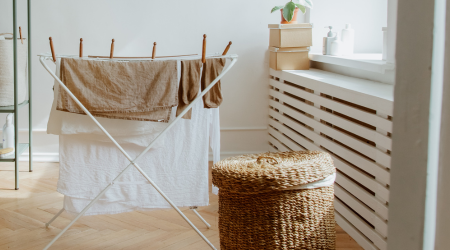
- Air Dry When Possible: The best method is to hang your duvet cover to dry because it does not harm the fabric in any way. The sun can fade the colors so it is better to hang it in shaded areas with direct airflow.

- Tumble Dry with Care: In any case where air drying may not be possible, set your dryer at the lowest heat possible.

A higher level of heat can prove ill-suited for natural fibers which include the types of fabric commonly used in the manufacturing of duvet covers - cotton, linen, and silk.

7. Ironing for Smoothness

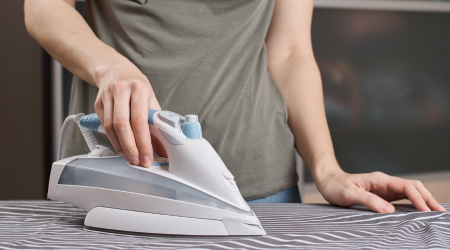
It is common for linen and cotton duvet covers to crinkle when washed, using iron to get them back in shape is helpful. In a warm iron setting, it is advisable to press the cover while slightly wet for the best look. Pay special attention to the embroidered areas in order not to overheat and weaken them.

8. Rotate Regularly

To minimize wear and tear of your duvet cover sets, it is advisable to rotate them for each season. This helps spread out any fading that there might be and ensures that the cover does not wear out in some areas. It also becomes easier to change your decor to reflect the coming season when you are rotating your covers.

9. Proper Storage

Your duvet cover should be stored in a place that is not only clean but which also has a low temperature and high ventilation. To avoid mustiness, the space should be regularly cleaned and must be all dry before storing. It is recommended to sprinkle a sachet of lavender or cedar chips to drive off small pests and for an improved smell. Do not use the small plastic bags – they are bad for storage as they tend to hold moisture and this can lead to mold; instead try using a small cotton bag for storage.

10. Address Stains Immediately

Spills and stains happen, and they don’t have to stick around forever. Each time there is a spillage on the covers, gently blot with a clean cloth to remove any excess liquid or moisture. For more stubborn stains, you can use a mild cleaning solution and cold water. Do not wipe it with a scrubbing motion as it will cause the fabric to deteriorate and the stain will be set.

11. Invest in a Protective Layer

If you want to increase the life expectancy of your duvet cover then you can use a top sheet between your body and the duvet. This additional layer will have the advantage of particularly attracting the excess of grease and dirt that contaminates your duvet cover.


12. Choose Quality Duvet Covers

When investing in top-notch bedding, Amity Home is the recommended choice. Made out of fabric such as Egyptian cotton or linen, they are fully functional and very much eye-pleasing, standing up to the rigors of frequent washing and usage. By following these care steps, your Amity Home duvet cover will remain a beautiful, long-lasting addition to your bedroom, showcasing the best of our design and craftsmanship.

Final Thoughts

Properly handled, your Amity Home duvet cover can remain looking fresh and warm for years. These steps will allow one to wake up and sleep in quality bedding each night.  

Share the Post:

Related Posts