Amity Home Blogs
No More Boring Beds: 3 Formulas for Mixing Patterns Like a Pro
Did you think that florals and stripes can't go together? Here are the tricks professionals use to achieve a "collected" effect.
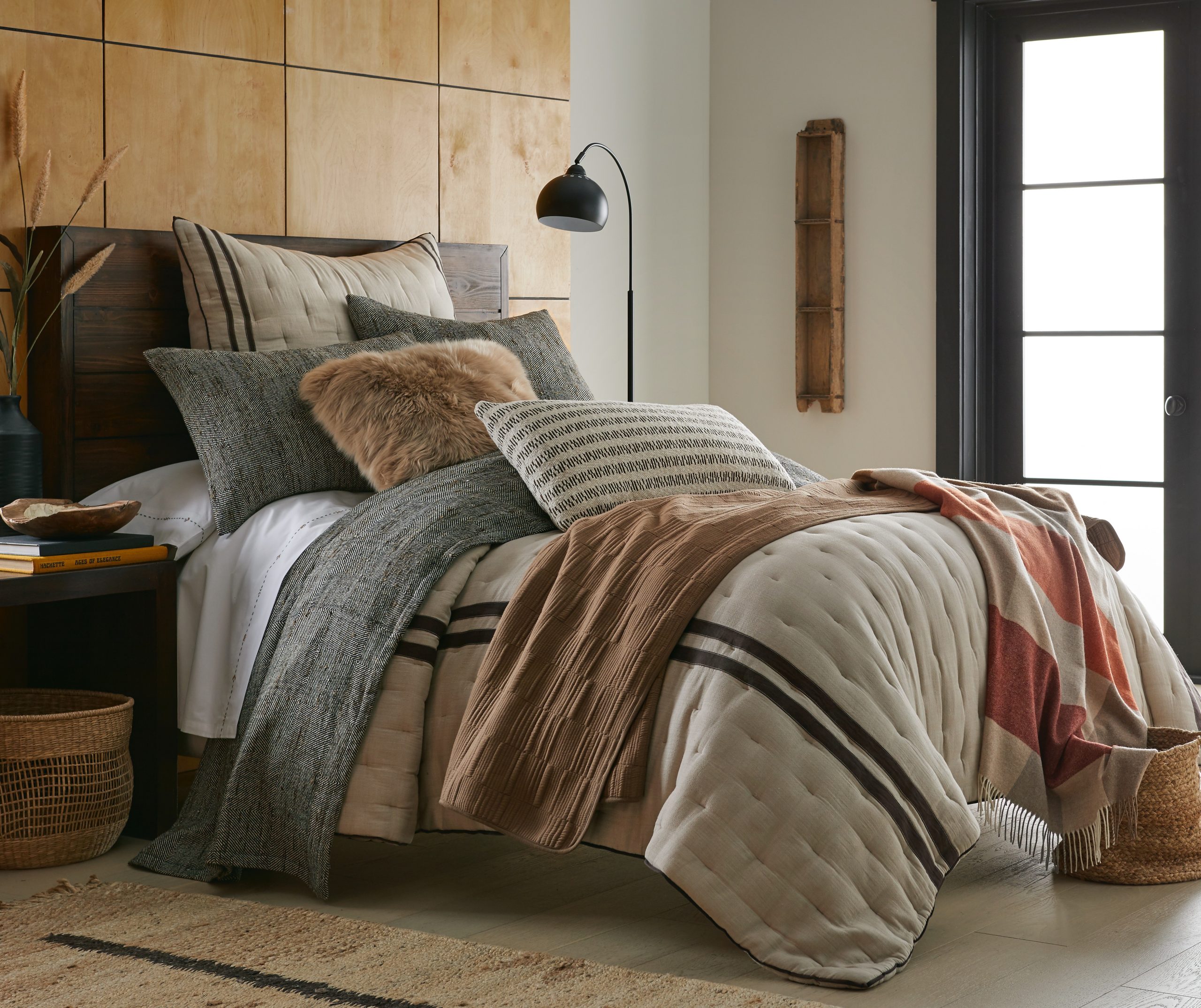
When you see an amazing interior design of a bedroom like those found in magazines, they appear to be composed of at least three different styles of patterns, textures, and colours. While this combination may seem effortless, mixing patterns can create anxiety. Will your bedroom have the look of being Bohemian or over-the-top busy? Will your bed appear to have a homey, rustic feel or look sloppy? The solution is simple: follow a systematic approach as designers do.
Designers do not randomly select patterns; instead, they follow a systematic approach. This systematic approach creates balance between the three respective pieces of the bedding set. Each piece serves its own distinct function; so together they form a blended and harmonious effect that is layered and sophisticated enough to make your bed a striking statement.
The three types of functions of each piece are as follows: mix these three functions for a professional finish:
Three Ways to Mix Patterns
Once you've decided to add some colour to your bedding options and not just use the same old matching sets, concentrate on three layers: the base layer, the accent layer and the harmonising layer.
The Statement Piece (The Bold Piece of Heroism)
- Your main piece is where you are to put your emphasis. Therefore, the statement piece will be the biggest and brightest in your entire collection. It will dictate how the rest of the pieces look, the colour of your bedding, and the feel of your room.
- Choose a bold quilt, duvet cover, bedspread or coverlet that has a lot of visual impact. A statement piece creates the atmosphere, theme and primary colour palette for the room.
- Design Profile: Large, sweeping patterns, such as florals, paisleys, ethnic and cultural prints (medallions), etc.
Our Recommendation: The Kai Quilt. The boldness of the pattern and the extensive size are ideal for making it stand out as a focal point.
2. The Structure (The Geometric Anchor)
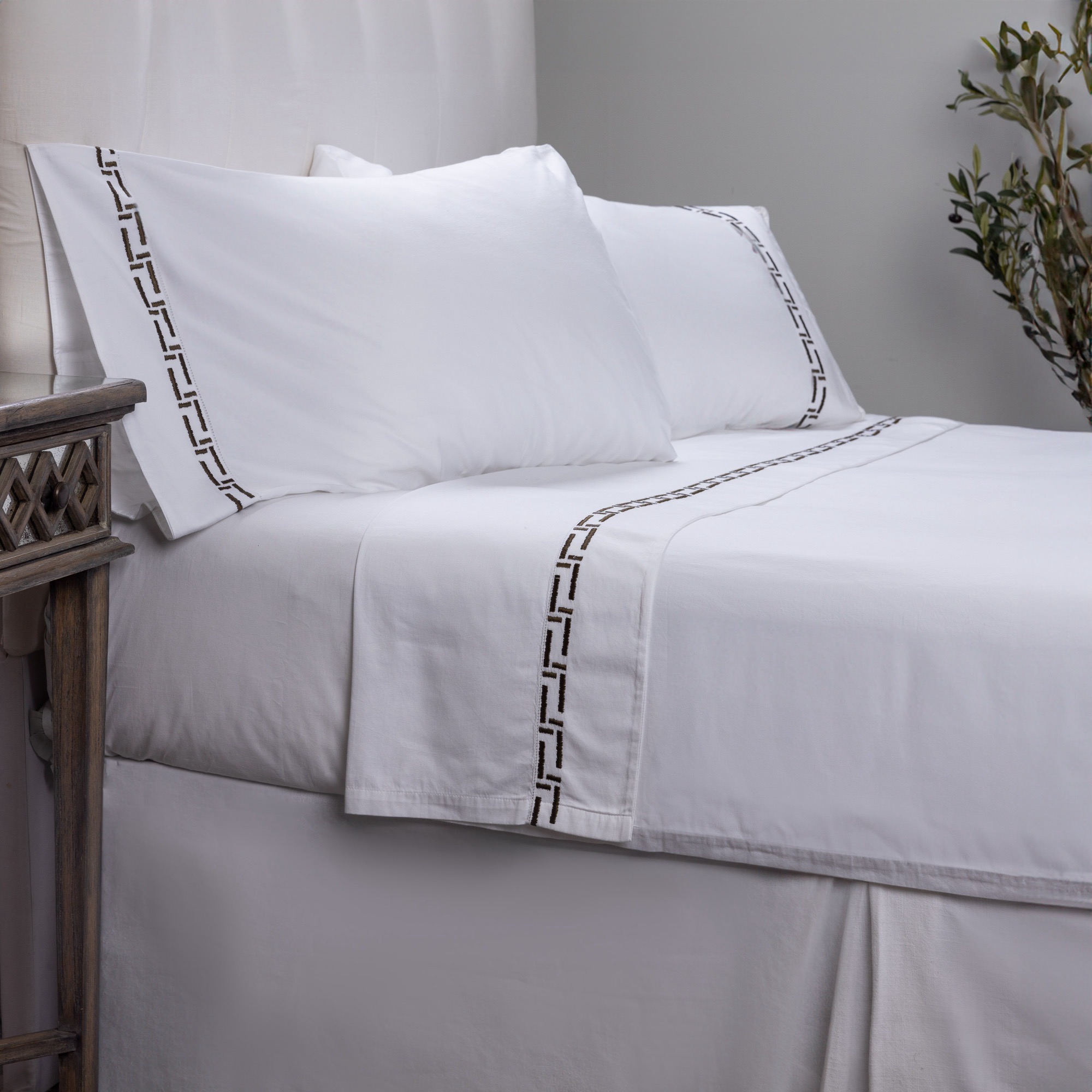
Included in 'The Structure' is Structure, which is the counterpart to the organic flow of. The Structure provides an orderly, rhythmic and grounded presence within the group of products, e.g. patterns using straight lines or repetition with basic shapes.
- The purpose of The Structure is to serve as a visual anchor for the overall image while adding an element of modern, aesthetically pleasing Style Profile. The colourway of The Structure should also create a subtle contrast with or complement The Statement.
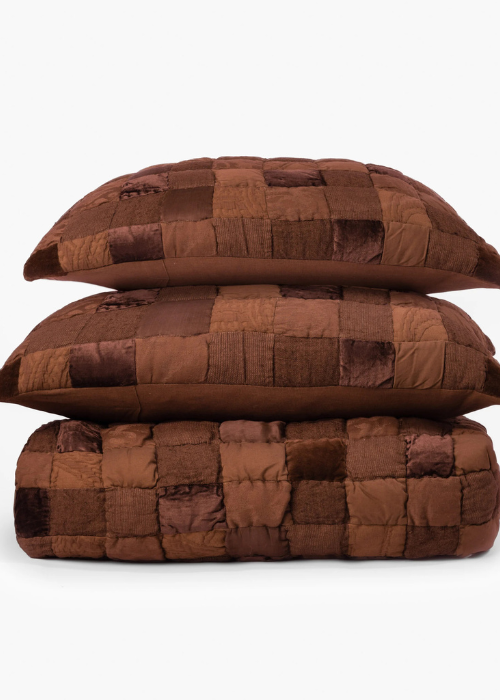
For our mix of styles, you may choose Zane Quilt, Swatch, or Cypress. Each of these pieces has a calming, geometric presence that helps prevent The Statement from overwhelming the overall look.
3. The Foundation (The Solid Neutral Balance)
This option represents the unsung hero that unites all the other pieces together. It is an opportunity for your eyes to rest, allowing for a sophisticated space of "breathing" between the busy patterns. It helps create an overall impression of intention rather than chaos.
- The purpose of this option is to serve as a neutral design element, which allows for balance to the busy designs and to showcase the various textures of these designs.
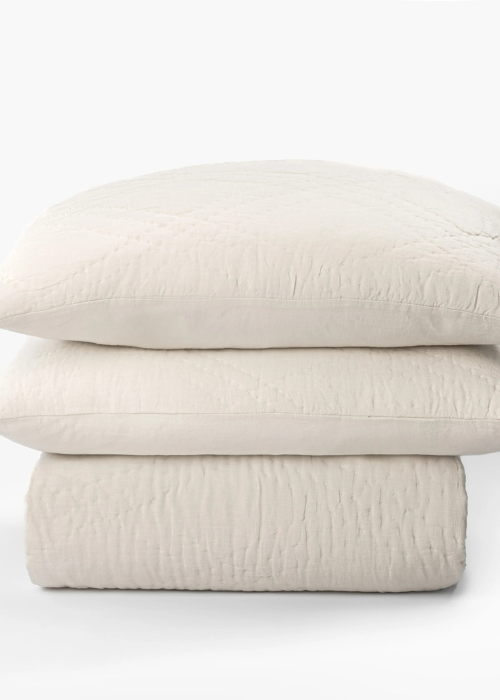
- The design profile consists of a solid, tone-on-tone texture or an extremely small, subtle texture (slub or weave) in a neutral (white, cream, grey, beige) colour.
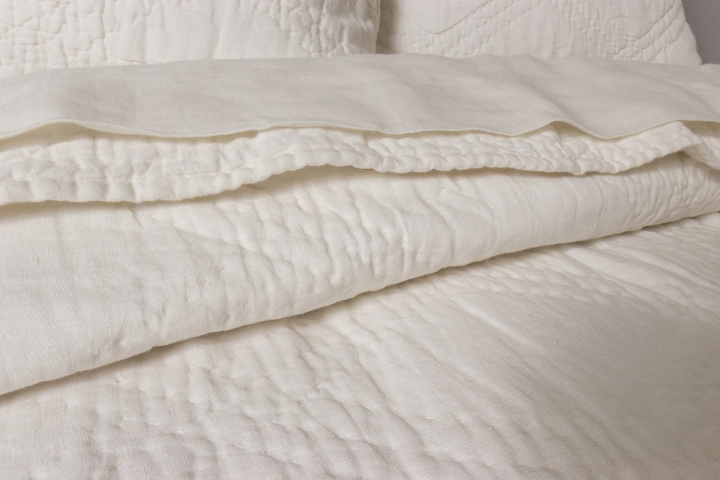
The Style Mix selection is the Barcelona Linen Quilt. The natural, textured linen weave creates the ideal foundation and offers a layer of texture without adding to the competing prints.
An Introduction to Texture and Layering
After mastering the three-pattern rule, the easiest and most rewarding way to elevate quilt design is through focus on the texture of the fabric layers. One of the most effective ways to achieve these goals is through layering different fabrics together to create warmth and visual interest. When using materials with different finishes (e.g., smooth and crisp cotton versus rich and relaxed linen), you can add depth to your design without having to add additional colour.
If you're not into fabrics with patterns, texture can also be used to introduce depth into your work. A great source for this would be our Exploring Luxury Curtain Ideas & Trends article, which includes a wide range of luxurious materials that provide a subtle pattern effect.
Building Your Designer Bed
Instead of worrying about the possibility of fabric clashes, consider the idea of creating contrasts in your designer bed. Using the above three-step process ("Statement, Structure, Foundation") allows you to easily create a magazine-style designer bed by combining elements that provide a contrast between each other. Each piece in your bed can continually be replaced with new options as you feel the need to refresh your style and make it your own.
Which element will serve as your statement quilt?
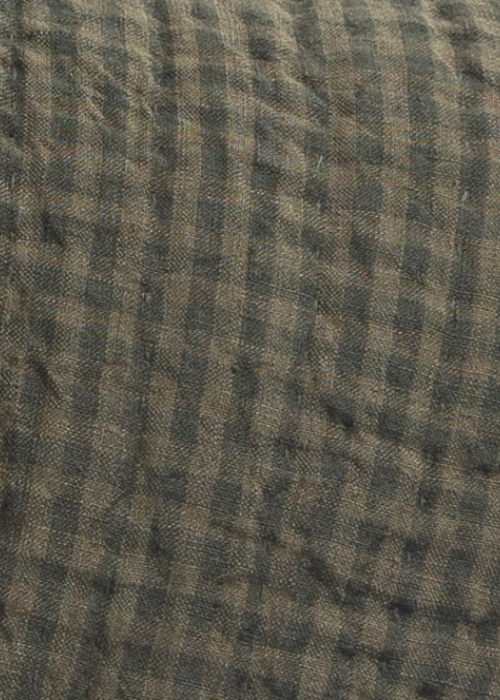
Love the pattern, but need to check the colour match? Get a Fabric Swatch sent to your door.
Related Posts

The Art of Gifting “Quiet Luxury” : 5 Timeless Home Gifts for Christmas 2025
“Quiet Luxury” will be defined as more than simply a visual representation of a trend in fashion when it is

Bringing the Outdoors In: Styling with Moss, Sage, and Fern.
A quiet luxury is present in an ancient forest where different types of trees harmoniously blend with varying shades of