


Luxury Bedding Fabrics Guide
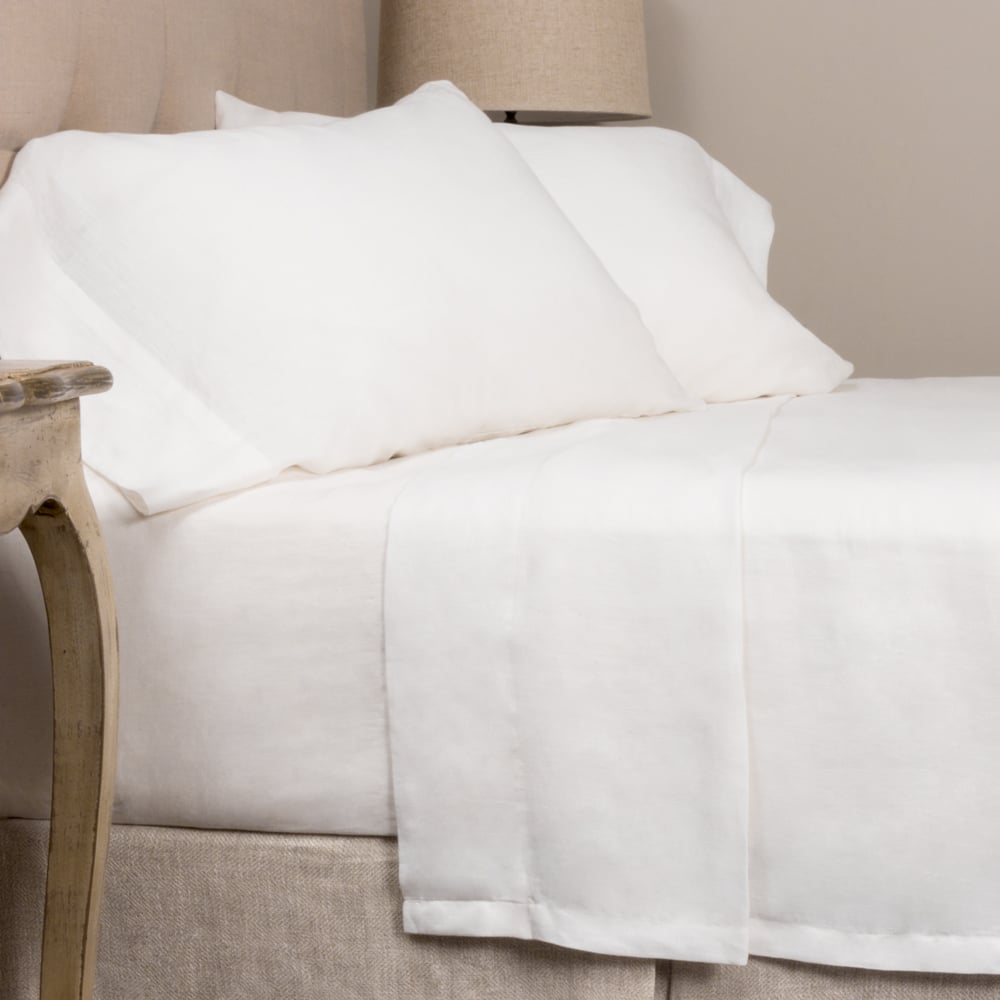
Best Sheets for Hot Sleepers (Best Cooling Sheets of 2026)
Hot sleepers don't have a sleep problem — they have a sheet problem. And Amity Home has spent years finding the exact fix.
You've invested in a premium mattress. You've curated a beautiful bedroom. But every morning, you're still waking up sweaty, tangled, and exhausted.
The culprit? Your sheets.
For hot sleepers, the wrong bedding can sabotage even the most carefully designed sleep...
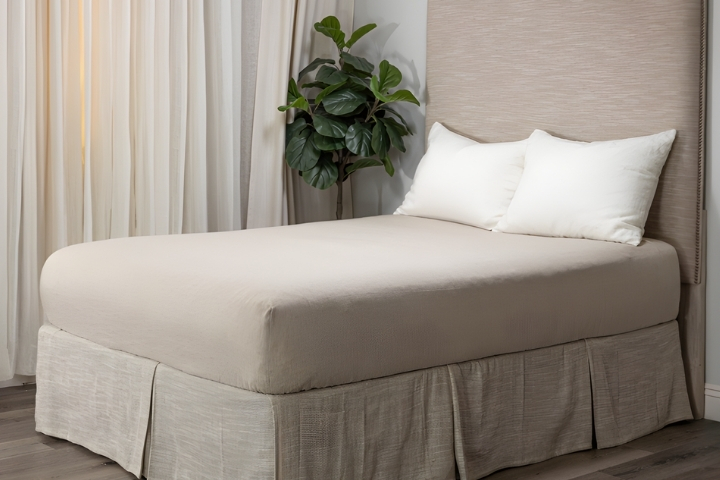
How to Choose the Best Box Spring Cover (Size, Fabric & Style Tips)
A box spring cover hides your box spring and makes your bedroom look neat and beautiful. It keeps your box spring clean and safe from wear and tear while adding some color or pattern.At Amity Home, we think your bedroom should be a real getaway that shows off your style in the most inviting way possible. Our box spring covers...
Cotton vs Linen Sheets: Which Is Better? [2026 Guide]
The most popular fabrics for bedroom décor include cotton, linen, and satin. Linen sheets last 10-20 years and sleep 30% cooler than cotton, making them ideal for hot sleepers and humid climates. Cotton offers immediate softness at half the price ($50-150 vs $150-400), better for budget-conscious buyers wanting crisp comfort.
Choose linen if you prioritize breathability, durability, and moisture-wicking in warm...
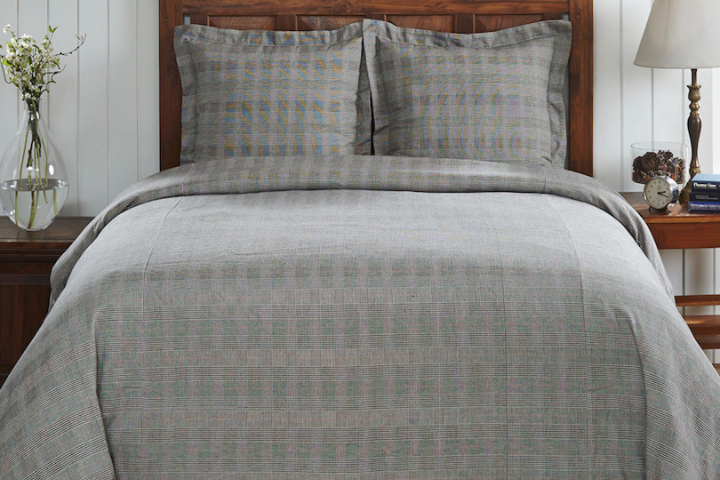
Cotton vs. Linen vs. Percale: The Ultimate Guide to Luxury Winter Bedding Layers
The Ideal Bedding for Cold Weather
When selecting bedding to keep you warm in cold climates, consider the type of material used for your bedding. The following is an overview of our three best selections of winter bedding materials, ranked from heaviest weight/warmest to cooler/crisper.
The Laine Duvet Cover Is the Best for Winter Bed Makers (Brushed Cotton)
Thermal Profile = Heavy...
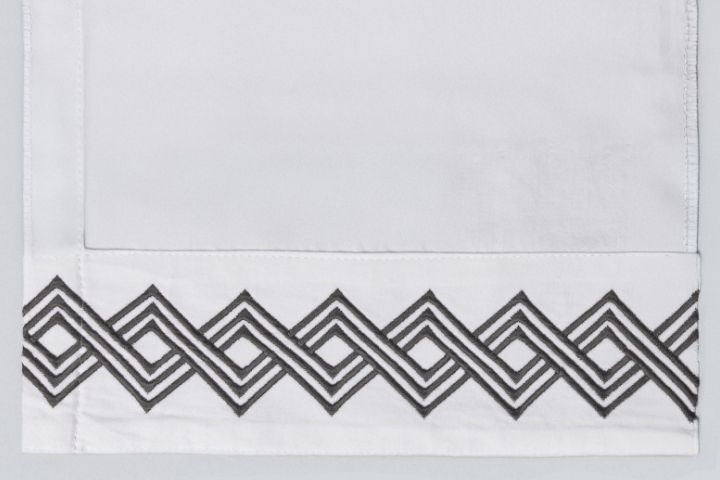
The Art of Shadow & Light: Modern Minimalist Styling with Dark Neutral Fabrics from Amity Home
In the world of modern minimalist design, less is more - but the "less" must be deliberate, high quality, and significantly impactful. While the hallmark of modern minimalist design is predominantly a light neutral color palette, in contrast, the use of darker neutral fabrics adds a layer of cultivated sophistication, deepness, and rug-like comfort; softening a simple room into a...
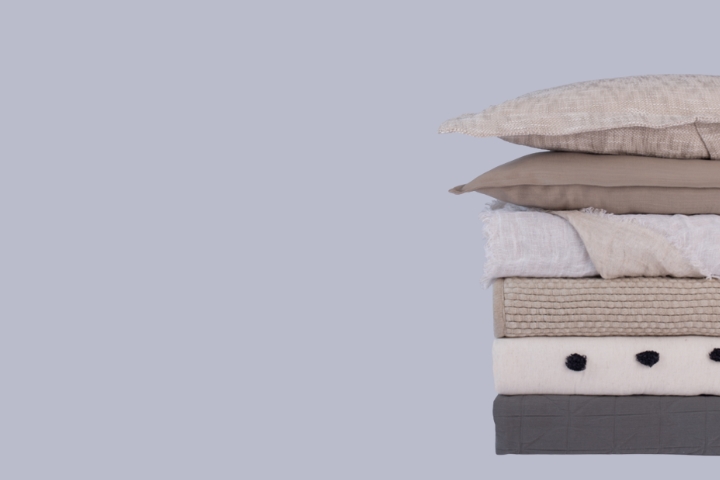
Fabric Swatches Made Simple: How Samples Help You Pick the Perfect Home Decor
When it comes to creating the home of your dreams, every detail matters from the texture of a throw pillow to the drape of a curtain. At Amity Home, we understand that choosing the right fabrics can feel overwhelming. That’s where fabric swatches come in. With fabric samples for home décor, you can see and feel materials before making a...
Understanding Your Bedding Fabric: Linen
When it comes to the comfort and coziness one wants to experience in their bedroom, fabric plays an important role. Among the many fabrics available in the marketplace, linen has earned a reputation that cannot be beaten, and all for the right reasons. For its luxurious feel, utter comfort, and durability, linen is a loved fabric when it comes to...
Know Your Bedding Fabric: Silk
The luxury and comfort that is associated with few fabrics is as complemented as competently by silk. Throughout history, silk fabric has been valued not only for its beauty but also for the special properties that make sleep more comfortable and the home look more elegant. In this guide, you will learn why we believe silk to be the ultimate...
WHY THREAD COUNT IS NOT EVERYTHING: DEBUNKING THE BEDDING MYTHS
Whenever one is choosing any bedding, thread count is something that comes into light very significantly. Most of the shoppers assume that a higher thread count of any bedding is a sign of its better quality and softness. But this belief is largely fueled by marketing endeavors and oversimplifies the complexities of fabric quality. The truth is that thread count...
The Versatility of Textiles: Transforming Spaces with Layered Fabrics
To many, textiles are just items that can be used as ornaments in a house interior, but actually, these are the major components that shape the character of the room. One easy way to change the look of your home is being able to layer your fabrics, this creates a dimension, texture, and character to the home. At Amity Home,...